SPICE: Our Antifragile Biology
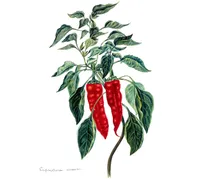
Spicy food and capsaicin demonstrate hormesis and antifragility in human biology. The science of pain, TRPV1 receptors, and how controlled exposure to stressors makes our bodies stronger rather than weaker.
4 posts with this tag.
Spicy food and capsaicin demonstrate hormesis and antifragility in human biology. The science of pain, TRPV1 receptors, and how controlled exposure to stressors makes our bodies stronger rather than weaker.
A hantavirus outbreak aboard the MV Hondius in the South Atlantic has sent thirty passengers home across twenty-three countries before a single test was run. What does the WHO's 'low risk' framing mean? The institutional failure of January 2020, and what honest communication about uncertainty actually requires. The incubation window is open. We are watching.
Scientists working in classified American aerospace and nuclear research have died and disappeared. The story has migrated from UFO forums to the White House briefing room. A conspiracy requires a conspirator. On grief, and the brain's furious, irrepressible need for meaning. Nuno Loureiro wanted to trap a small star. Carl Grillmair watched stellar streams from a self-built desert observatory. Monica Reza invented an alloy that does not burn. This is not me trying to figure anything out, this is me trying to remember the human beings.
Born on April 13th, 26 years after Apollo 13's failure, I explore my personal connection to the Moon as Artemis II astronauts journey toward Her. The Moon has scientific importance, cultural naming traditions, religious significance across civilizations, linguistic ties to lunacy and menstruation, and is the first poem. The Moon unites humanity across time and space as we return to Her once again.