
'Winter Sun, Sea Foam, Rough Seas' by Txllxt in The Bollekamer, Netherlands | Source (edited by the Author)
Fermenting Boredom

Ten years ago, I wrote about boredom and wiggle room I haven't recently, but I figured I ought to. It's only become more obvious that we are living in a late-stage attention economy. Our dopamine-manipulated environment is understood widely, and it is so effective that the knowledge changes nothing. We name the cage and keep sitting in it, phones warm in our palms as hearthstones.
I enjoy returning to topics. Everything we create is a conversation with the first thing we've ever made. Creation cycles. The end is built into the beginning.
Fermentation
Understimulation is vital to the creative process. For our minds need the space and room to...
burp!
Fermentation. Ideas bubble a dark-red kimchi, plastering together no different from rising sourdough or miso. A slow, invisible labour in the dark. Heat-driven, alive with microorganisms. Foamy nattō to the touch. The taxonomy of rot and rise.
“[Our senses] take in experience, but they need the richness of sifting for a while through our consciousness and through our whole bodies. I call this “composting.” Our bodies are garbage heaps: we collect experience, and from the decomposition of the thrown-out eggshells, spinach leaves, coffee grinds, and old steak bones of our minds come nitrogen, heat, and very fertile soil. Out of this fertile soil bloom our poems and stories. But this does not come all at once. It takes time. Continue to turn over and over the organic details of your life until some of them fall through the garbage of discursive thoughts to the solid ground of black soil ... We aren’t running everything, not even the writing we do. At the same time, we must keep practicing. It is not an excuse to not write and sit on the couch eating bonbons. We must continue to work the compost pile, enriching it and making it fertile so that something beautiful may bloom and so that our writing muscles are in good shape to ride the universe when it moves through us.”
— Natalie Goldberg, Writing Down the Bones
Neuroscientists call the mechanism responsible for this the default mode network. The large-scale brain system switching on when you are not focused on any external task. The brain's creative compost bin. Sludging with half-remembered arguments, overheard conversations, the colour of your childhood home's ceilings. We spend half of our waking lives in this mind-wandering state. The network is online during sleep, during dreaming, the nocturnal fermentation of the bored daydream in our waking life (we'll talk more about that leter). The warm shower thought, the post-walk epiphany on the porch, the stray idea on the commute cracking a thought open. All are the default mode network. Vacancy is required to arrive.
Right now, in my physical world, it's warming up. The scent of Chinook winds warm and melt pure white snow into disappointing darker sludge and sudden migraines from the pressure changes.
Mother Vinegar
Practice a lack of doing the way alcohol froths against wooden barrel cask—a tomorrow's casket. Foaming like kombucha. Prayers to Mother Vinegar. Okay, unfocus. I want to travel. Inward. The body itself is a prairie. A field for growth flourishing millions of microorganisms. We carry more bacterial cells than human ones.
Stop. Stew. Meander. Solicit the world around you unlawfully. What's the texture of this boredom? The deep kind, where children inhabit during unrelenting grown-up gatherings and shopping trips. Linoleum grocery floors, the bottoms of adult coats in clothing aisles, fluorescent hum tasting like nothing. Oceanic boredom of childhood is understood by psychoanalyst Adam Phillips as integral to development. Boredom is the necessarily slow, uncomfortable sage teaching you how to take your own time, how to want something without an object to receive the want.
Martin Heidegger, who found profundity where ordinary people find inconvenience, argued boredom is not merely unpleasant but philosophically privileged. A fundamental attunement stripping the world of busyness, throwing you back onto naked time. Boredom reveals temporality. Feel the duration of things. It is in this strange clearing, Heidegger thought, that philosophy itself is born. In the stillness. The distillery. In the nothingness and in the horror of having nothing to do and nowhere to be. Lars Svendsen, in A Philosophy of Boredom, wrote how the mood of boredom awakens us to time and the meaning of being. Boredom is the gateway to the authentic self.
Theodor Adorno, who saw capitalism in everything and was correct, understoof boredom as the result of our alienated labour. You are bored because your time has been chopped into sellable units. Leisure was invented as recovery for productivity, chained to work, not for its own sake. "Boredom is a function of life which is lived under the compulsion to work," he wrote. We reach for our phones as we've been trained to. The scrolling is the factory belt of the attention economy. Ceaseless, numbing, pretending to be free time.
People attempt to recapture the meditation, look at the rise of analogue bags. Tactile notebooks, thrifted paperbacks, instant film cameras, hand-lettered planners full of holographic stickers. The point is entirely missed. A distraction is a distraction regardless of whether it's a black rectangle supercomputer or if it's tangible, makeshift and tactile. The analogue fetish is still a flight from the ache of the unoccupied moment. It's not about modality. Have the willingness to sit with nothing. We need to be at peace with the nothingness. The absence of the verb.
⠀⠀⠀⠀⠀⠀⠀⠀⠀⠀⠀⠀⠀⠀⠀⠀⠀⠀⠀⠀⠀⠀⠀⠀⠀⠀⠀⠀⠀⠀⠀⠀⠀⠀⠀⠀⠀⠀⠀⠀⠀⠀⠀⠀⠀⠀⠀⠀⠀⠀
⠀⠀⠀⠀⠀⠀⠀⠀⠀⠀⠀⠀⠀⠀⠀⠀⠀⠀⠀⠀⠀⠀⠀⠀⠀⠀⠀⠀⠀⠀⠀⠀⠀⠀⠀⡄⠀⠀⠀⠀⠀⠀⠀⠀⠀⠀⠀⠀⠀⠀
⠀⠀⠀⠀⠀⠀⠀⠀⠀⠀⠀⠀⠀⠀⠀⠀⠀⠀⠀⠀⠀⠀⠀⠀⠀⠀⠀⠀⠀⠀⠀⠀⠀⠀⢸⡇⠀⠀⠀⠀⠀⠀⠀⠀⠀⠀⠀⠀⠀⠀
⠀⠀⠀⠀⠀⠀⠀⠀⠀⠀⠀⠀⠀⠀⠀⠀⠀⠀⠀⠀⠀⠀⠀⠀⠀⠀⠀⠀⠀⠀⠀⠀⠀⠀⡜⣇⠀⠀⠀⠀⠀⠀⠀⠀⠀⠀⠀⠀⠀⠀
⠀⠀⠀⠀⠀⠀⠀⠀⠀⠀⠀⠀⠀⠀⠀⠀⢀⣠⣤⣤⠤⢀⠀⠀⠀⠀⠀⠀⠐⠒⠒⠒⠶⠮⣅⣿⠛⠶⠖⠂⠀⠀⠀⠀⠀⠀⠀⠀⠀⠀
⠀⠀⠀⠀⠀⠀⠀⠀⠀⠀⠀⠀⠀⠀⠀⠋⢀⢰⢈⣹⠓⣾⢷⡄⠀⠀⠀⠀⠀⠀⠀⠀⠀⢸⡇⠀⠀⠀⠀⠀⠀⠀⠀⠀⠀⠀⠀⠀⠀⠀
⠀⠀⠀⠀⠀⠀⠀⠀⠀⠀⠀⠀⠀⣨⠀⢠⠐⣪⣭⣅⢤⣿⠞⠳⠀⠀⠀⠀⠀⠀⠀⠀⠀⢸⠀⠀⠀⠀⠀⠀⠀⠀⠀⠀⠀⠀⠀⠀⠀⠀
⠀⠀⠀⠀⠀⠀⠀⠀⠀⠀⠀⠀⠀⣟⣶⢃⡃⠟⠓⡁⣫⡄⡀⠐⠃⠀⠀⠀⠀⠀⠀⠀⠀⠀⠀⠀⠀⠀⠀⠀⠀⠀⠀⠀⠀⠀⠀⠀⠀⠀
⠀⠀⠀⠀⠀⠀⠀⠀⡰⢫⣟⠿⠧⣿⣿⣥⠴⣴⣮⣏⡣⣄⣲⡇⠀⠀⠀⠀⠀⠀⠀⠀⠀⠀⠀⠀⠀⠀⠀⠀⠀⠀⠀⠀⠀⠀⠀⠀⠀⠀
⠀⠀⠀⠀⠀⠀⠀⣰⣽⡵⢡⠤⠀⠈⢿⣷⠆⢚⡋⡁⢤⣿⡿⠁⠀⠀⠀⠀⢀⡤⠊⠉⠉⠙⣦⣄⠀⠀⠀⠀⠀⠀⠀⠀⠀⠀⠀⠀⠀⠀
⠀⠀⠀⣠⣤⠖⠶⡟⡧⢿⠀⠀⠀⠀⠀⠛⠶⣾⣷⡶⠟⠛⠉⢣⠀⣀⣀⣀⡜⠁⠀⠀⣠⠏⠁⠀⠀⢹⡠⠤⣄⣄⠀⠀⠀⠀⠀⠀⠀⠀
⠀⠀⡜⡏⠀⠀⠀⠀⠀⠀⠀⠀⠀⠀⠀⠀⠀⠀⠀⠀⠀⠀⠀⣠⠞⠉⠀⠀⠀⠀⠀⠀⠀⠀⠀⠀⠀⠀⠀⠀⠀⠀⠉⣇⡀⢅⠀⠀⠀⠀
⠀⠀⠁⠩⠵⠴⠲⠔⠶⠶⠶⠦⠴⠶⠶⠶⠖⠦⠤⢴⠏⠀⡴⠃⠀⠀⠀⠀⠀⠀⠀⠀⠀⠀⠀⠀⠀⠀⠀⠀⠀⠀⠀⣿⡏⡧⡀⠀⠀⠀
⠀⠀⠀⠀⠀⠀⠀⠀⠀⠀⠀⠀⠀⠀⠀⠀⠀⠀⠀⠀⠀⠀⢻⡀⠀⠀⣀⣀⣀⢀⣀⠀⠀⠀⠀⠀⠀⣀⣀⠤⠞⠁⠀⡜⢸⡏⠀⢸⠀⠀
⠀⠀⠀⠀⠀⠀⠀⠀⠀⠀⠀⠀⠀⠀⠀⠀⠀⠀⠀⠀⠀⠀⠀⠈⠉⠽⠕⠋⠘⠓⠒⠲⠤⠤⠤⡖⣛⠴⠶⡲⠮⠭⢶⣭⠦⠤⠎⠀⠀⠀
⠀⠀⠀⠀⠀⠀⠀⡇⠀⠀⠀⠀⠀⠀⠀⠀⠀⠀⠀⠀⠀⠀⠀⠀⠀⠀⠀⠀⠀⠀⠀⠀⠀⠀⠀⠀⠀⠀⠀⠀⠀⠀⠀⠀⠀⠀⠀⠀⠀⠀
⠀⠀⠀⠀⠀⠀⢠⣇⠀⠀⠀⠀⠀⠀⠀⠀⠀⠀⠀⠀⠀⠀⠀⠀⠀⠀⠀⠀⠀⠀⠀⠀⠀⠀⠀⠀⠀⠀⠀⠀⠀⠀⠀⠀⠀⠀⠀⢀⡀⡀
⠀⠀⠀⢀⣀⣔⡽⣧⢄⡀⠀⠀⠀⠀⠀⠀⠀⠀⠀⠀⠀⠀⠀⠀⠀⠀⠀⣀⡤⠴⠢⠤⣄⠀⠀⠀⠀⠀⠀⠀⠀⠀⠀⢀⠎⠁⠀⠀⠉⢆
⠀⠀⠉⠉⠉⠻⡏⡗⠉⠉⠉⠉⠉⠀⠀⠀⠀⠀⠀⠀⠀⠀⠀⠀⡔⣝⢏⠁⠀⠀⠀⢀⣉⣀⣀⡀⡄⠀⠀⢠⠴⠗⠗⠒⠒⠺⠋⠛⠉⠀
⠀⠀⠀⠀⠀⠀⠈⡇⠀⠀⠀⠀⠀⠀⠀⠀⠀⠀⠀⠀⢀⠤⢉⡩⠟⣓⡿⠁⠀⠀⡖⠁⠀⠀⠀⠀⠀⠉⠳⣄⠀⠀⠀⠀⠀⠀⠀⠀⠀⠀
⠀⠀⠀⠀⠀⠀⠀⠃⠀⠀⠀⠀⠀⠀⠀⠀⠀⡠⣒⢯⢕⣫⡯⠗⠉⠁⠀⠀⠀⠀⠀⠀⠀⠀⠀⠀⠀⠀⠀⠈⡗⡆⠀⠀⠀⠀⠀⠀⠀⠀
⠀⠀⠀⠀⠀⠀⠀⠀⠀⠀⠀⠀⠀⠀⠀⠀⠉⡜⢛⣿⡇⡏⠀⠀⠀⠀⠀⠀⠀⠀⠀⠀⠀⠀⠀⠀⠀⠀⠀⠀⠀⣿⡄⠀⠀⠀⠀⠀⠀⠀
⠀⠀⠀⠀⠀⠀⠀⠀⠀⠀⠀⠀⠀⠀⠀⠀⠀⠈⠉⠉⠁⠉⠛⠛⠉⠉⠉⠉⠁⠉⠁⠁⠁⠉⠉⠉⠒⠉⠁⠉⠀⠀⠀⠀⠀⠀⠀⠀⠀⠀
⠀⠀⠀⠀⠀⠀⠀⠀⠀⠀⠀⠀⠀⠀⠀⠀⠀⠀⠀⠀⠀⠀⠀⠀⠀⠀⠀⠀⠀⠀⠀⠀⠀⠀⠀⠀⠀⠀⠀⠀⠀⠀⠀⠀⠀⠀⠀⠀⠀⠀
Source: https://emojicombos.com/cloud-ascii-art⠀⠀⠀⠀⠀⠀⠀⠀⠀⠀⠀⠀⠀⠀⠀⠀⠀⠀⠀⠀⠀⠀⠀⠀⠀⠀⠀⠀⠀⠀⠀⠀⠀⠀⠀⠀⠀⠀⠀⠀⠀⠀⠀⠀⠀⠀⠀
Dreams
Really, boredom is no different than sleep, in a way. At least the dreaming part. The threshold state.
One of the best side effects of the SSRI medication I began taking last year is that the border between awake and asleep has bled and expanded for me. A once clean cut threshold is now a grease smear. A leftover watercolour wash. Formally, this is called hypnagogia, from the Greek hypnos (sleep) and agōgos (conductor), coined by Alfred Maury in 1848. What this means is my dreams begin while I'm still awake. Colours corkscrewing through dark. A stranger's face, fully formed, mouth open on a word I'll never make out. Moving geometric shapes are stained glass rotating through oil. I find myself mumbling out, my physical body still embodied but the otherworld leaking through the walls.
Researchers at Harvard describe hypnagogia as covert REM. Your secondary visual cortex, which interprets and makes meaning of imagery, fires during hypnagogia the same way it does during dreaming proper. The cognitive constraints loosen but don't fully dissolve. Residue of waking logic remains. "You're a different person as you enter sleep onset," says MIT's Adam Haar Horowitz. "You retain elements of your waking self. You can watch these brain changes happen... as if from a distance." Up to 70% of the general population experiences hypnagogic hallucinations at some point, visual phenomena in 86% of cases, auditory in up to 34% percent, somatic (the falling, the floating, the sudden weight of invisiblehands) in 25%-44%. My medication seem to thin the membrane further, quickening the transition, brightening the imagery. What a beautiful accident and side effect.
"And in my dreams you're alive and you're crying,"
—Two Headed Boy pt. 2, Jeff Mangum
The sensations felt in the repeating dreams do not stay in the otherworld for me. Time and time again I dream that I'm a few credits short of graduation, or that I'm failing the last class I'm taking. I've skipped for weeks. I have a dozen assignments overdue, stacked. Red unopened envelopes by the front door. If I fail this, it's an entire additional year. The dread is physical weight sitting on the sternum like a cold stone. Dense and blunt. In the past, I felt a rush of relief and gratitude when I wake from a nightmare and find my life as it is in the waking world. But these university dreams are different. I graduated. I know I graduated. And yet I keep returning to the hallway with the scuffed linoleum and the door I cannot find.
More recently, I keep finding myself in an unnamed rural town trying to plan the logistics of returning home with my entire family. Sometimes by plane, sometimes by car, or by train. I get lost. I find myself in an unfamiliar suburb where the streets don't go where maps promise. There's a car accident I cannot undo. Everything is logistical and impossible, and I wake with the exhaustion of having been very busy all night doing nothing at all.
Carl Jung distinguished between what he called "little" dreams (the forgettable nightly debris of daily preoccupations) and "big" dreams, those revolving around powerful archetypal images arising from the collective unconscious. The reservoir of symbols and patterns shared by all human minds across time and culture. Big dreams are guideposts along the process of individuation, the mind's lifelong quest for wholeness. In compressed symbolic form, they contain what the conscious self hasn't yet managed to integrate. Dreams present what the conscious mind has crowded out or refused, balancing the one-sidedness of waking life,
What are my dreams, in this framework? A failure complex. Knowing my merit and competence are always one missed deadline from dissolving. My psyche insisting on rehearsing the weight of incomplete obligation even after the obligation is complete. The recurring rural town with impossible logistics, lost routes, and a family I cannot successfully bring home? This is the difficulty of holding together the people I love, and the fear of the roads not leading where they should. The grief of being mixed, and living between two maps.
Plains Indigenous peoples understood dreams differently. Not as compensation nor as the unconscious speaking in symbols it hopes the conscious mind will decode. Lee Irwin, writing about Plains traditions, understands dreams are directive rather than reflective, speaking to the future and not the past. They motivate behaviour, shape belief, influence community. A dream is not a symptom to interpret but a message to enact. The Chipewyan concept of inkonze, a gift from animal persons shared with humans who maintain a harmonious relationship with nature, describes dream knowledge that is practical, prophetic, and ecological. Those called to inkonze roots receive knowledge through dreams. Where herds are, how weather will turn, what the community needs. The dream has nothing to do with mirroring the interior, it is a dispatch from the exterior world.
Cree epistemology call the life force available through this inner access mamahtowisowin, our capacity to tap creative forces of inner space by using all the faculties constituting our being. The Anishinaabe understand dream knowledge as sacred epistemology. When you remember a dream in the morning, you offer tobacco, write it down, and honour the ancestors who may have visited.
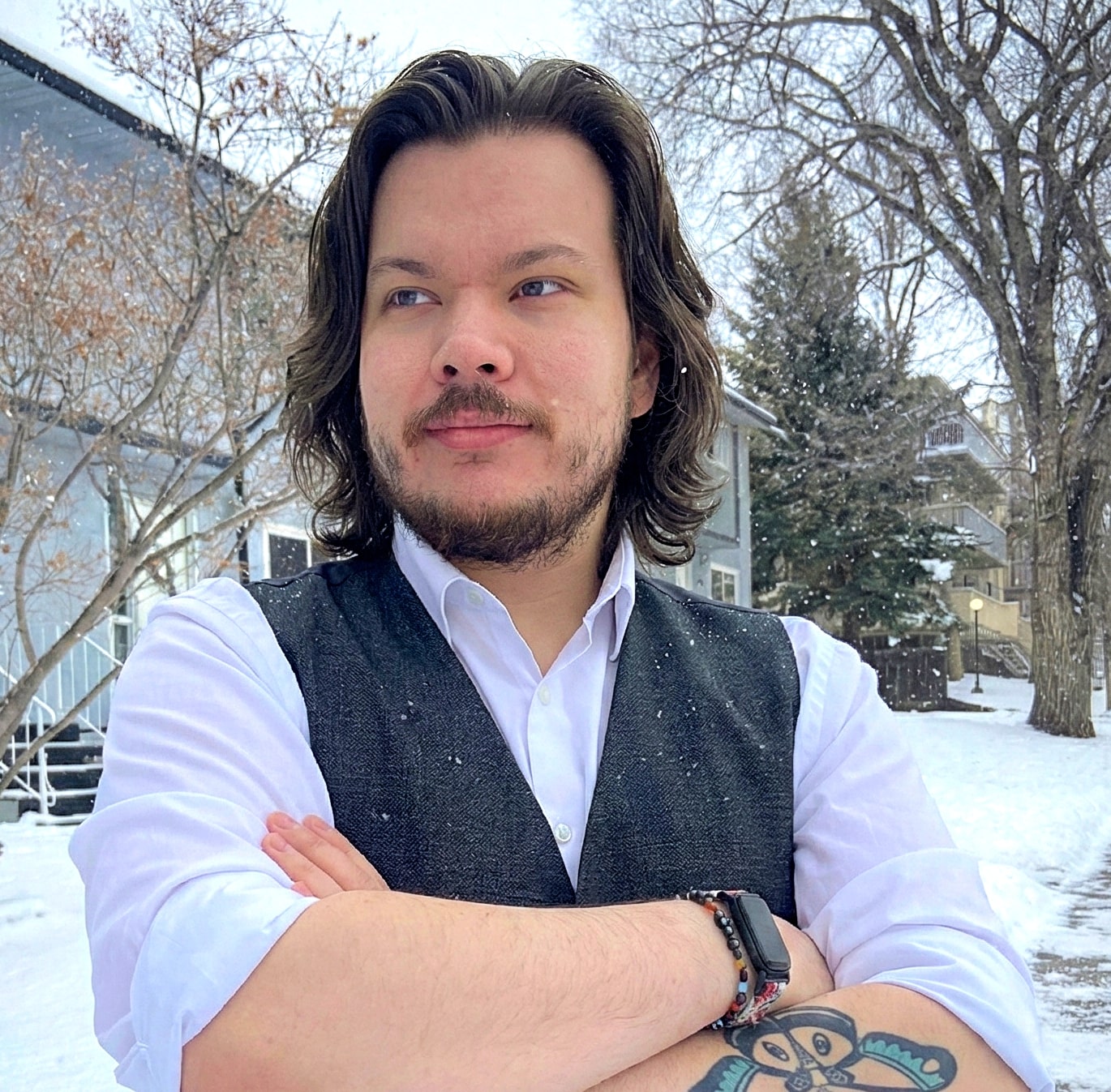
I am Red River Métis, inland from the abalone. I'm a theory-drunk bastard of my bloodline who tracks his hypnagogic hallucinations and cross-references my experience against neuroscience papers and calls it autoethnography. I don't know what my dreams mean. Directive or compensatory or neither.
A third of our entire life is spent unconscious, and we still don't really understand why. Sleep has a weird intimacy nobody talks about enough. Our body sunsets, metabolic rate dropping like temperature at dusk—and surrenders consciousness nightly. Nobody treats the surrender as remarkable. Everyone does it. Every human being who has ever lived has lay down, closed their eyes, and dissolved into the same strange country.
Through prayer and fasting and lonely vigils, the Plains tradition sought a vision of their destiny in dreams, an image to anchor personal connection to the spirit pervading all life.
❦
I don't need to tell you that boredom and dreams are not meant to be important. Meaningfulness is antithetical to both. We step away from what's supposed to be important and fall into the colourless twilight. Default mode network humming. Secondary visual cortex interpreting images which have no source, the half-asleep brain associating freely across enormous stores of everything we've ever felt or feared or wanted.
I close my laptop. I sit for a while doing nothing. Outside, a magpie works the lane. The snow is the dirty grey of used dishwater as it melts. The prairie sky is flat and enormous and indifferent.
Between Heidegger's boredom revealing time and Cree mamahtowisowin revealing the inner space, what is found in the un-doing, in the unfocused and the unoccupied, is what the jar finds when you seal it and set it in the dark. Not nothing. Not nothing. Something alive and working. The kimchi sours.
You cannot curate your way into fermentation. The brine has to be dark. A Jungian shadow self. The lid has to be sealed. You have to go away and leave the thing alone long enough for it to become something other than what you put in. Whatever I will make next is already half-made. Acid-brightened. Alive with microorganisms never asked for. The taxonomy of rot and rise, and me with my nose pressed against the glass of myself, failing to watch what cannot be watched.
Trust the jar and believe in the dark. Sit inside the nothing and let it work you like yeast works dough. Mother Vinegar doesn't ask if you're ready. She just turns.
This blog post has been an experiment in boredom writing. Thank you for joining me.
Comments
To comment, please sign in with your website:
How it works: Your website needs to support IndieAuth. GitHub profiles work out of the box. You can also use IndieAuth.com to authenticate via GitLab, Codeberg, email, or PGP. Setup instructions.
Signed in as:
No comments yet. Be the first to share your thoughts!