Indigenous
Writing on Indigenous identity, Métis heritage, Treaty 7 territory, and Indigenous sovereignty and resurgence.
6 posts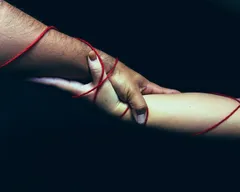
What We Lose with Cultural Extinction: The Red Thread Cut
In 1995, China abducted six-year-old Gedhun Choekyi Nyima—the recognized 11th Panchen Lama—severing the chain of mutual recognition at the heart of Tibetan Buddhist succession. Meanwhile, Michif, a language born from Cree verbs and French nouns that belonged to no one but the Métis People, has nearly vanished within living memory. Both losses are the same act: colonialism's weaponization of continuity. On the extinction of languages, the cutting of red threads, and what it means to inherit a chain with links already missing.
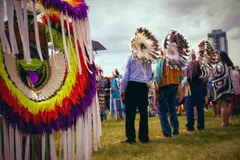
Where is the Indigenous Cultural Revolution?
Fred Moten and Stefano Harney's 'The Undercommons' describes a space of collective refusal beneath the institutions of the master. On why Black American cultural revolution was possible, why Indigenous cultural revolution is structurally different, and where the Indigenous undercommons already is. The potlatch went underground for sixty-six years. The drum broke out in a shopping mall. The land is the undercommons. We were always already here.
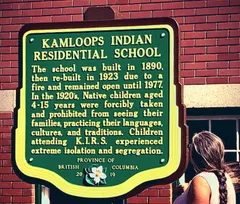
Follow-up: An Interview with Frances Widdowson
After publishing my piece on Frances Widdowson this morning, she reached out to comment. What followed was an hour of argument, bad faith, and one remarkable final message.
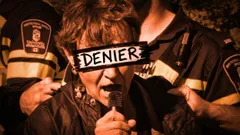
Frances Widdowson Dedicates Her Life to Denying Residential Indian School Survivors, Then Calls Herself the Victim
Ex-Mount Royal University professor and author of 'Grave Error: How the Media Misled Us (and the Truth About Residential Schools)' believes she is persecuted by grieving Indigenous communities and woke leftist academic institutions. She has raised over $50,000 for her cause.
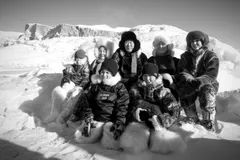
Greenland Belongs to the Inuit
The Greenland debate keeps asking whether the U.S. could take it, or whether Denmark should keep it. The missing question is: What do the Greenlanders want? They’ve already answered: 'We don’t want to be Americans. We don’t want to be Danes. We want to be Greenlanders.' This is about Indigenous sovereignty and the quiet billionaire scramble for Greenland’s resources.
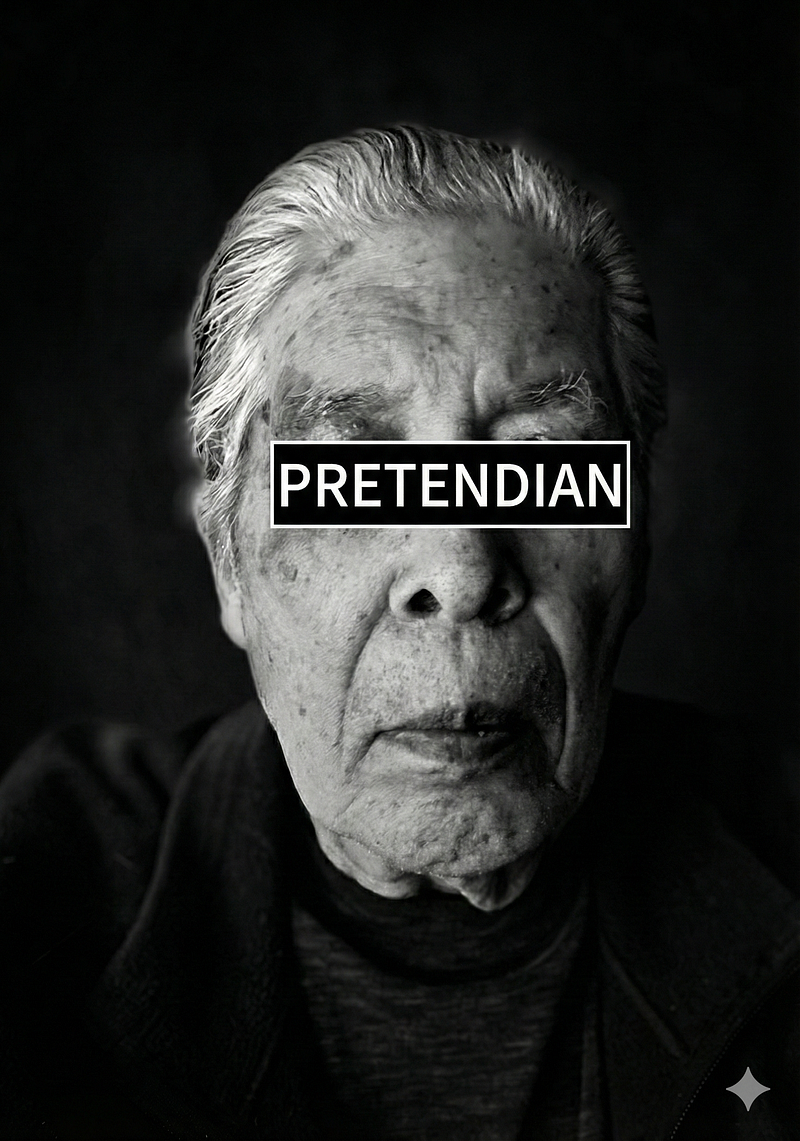
We’ve Known About Thomas King for Over Ten Years.
How do we reckon with Canada’s Pretendian problem?