
Photo by Pepi Stojanovski on Unsplash
This is how I’m making WRITING* my full-time career.
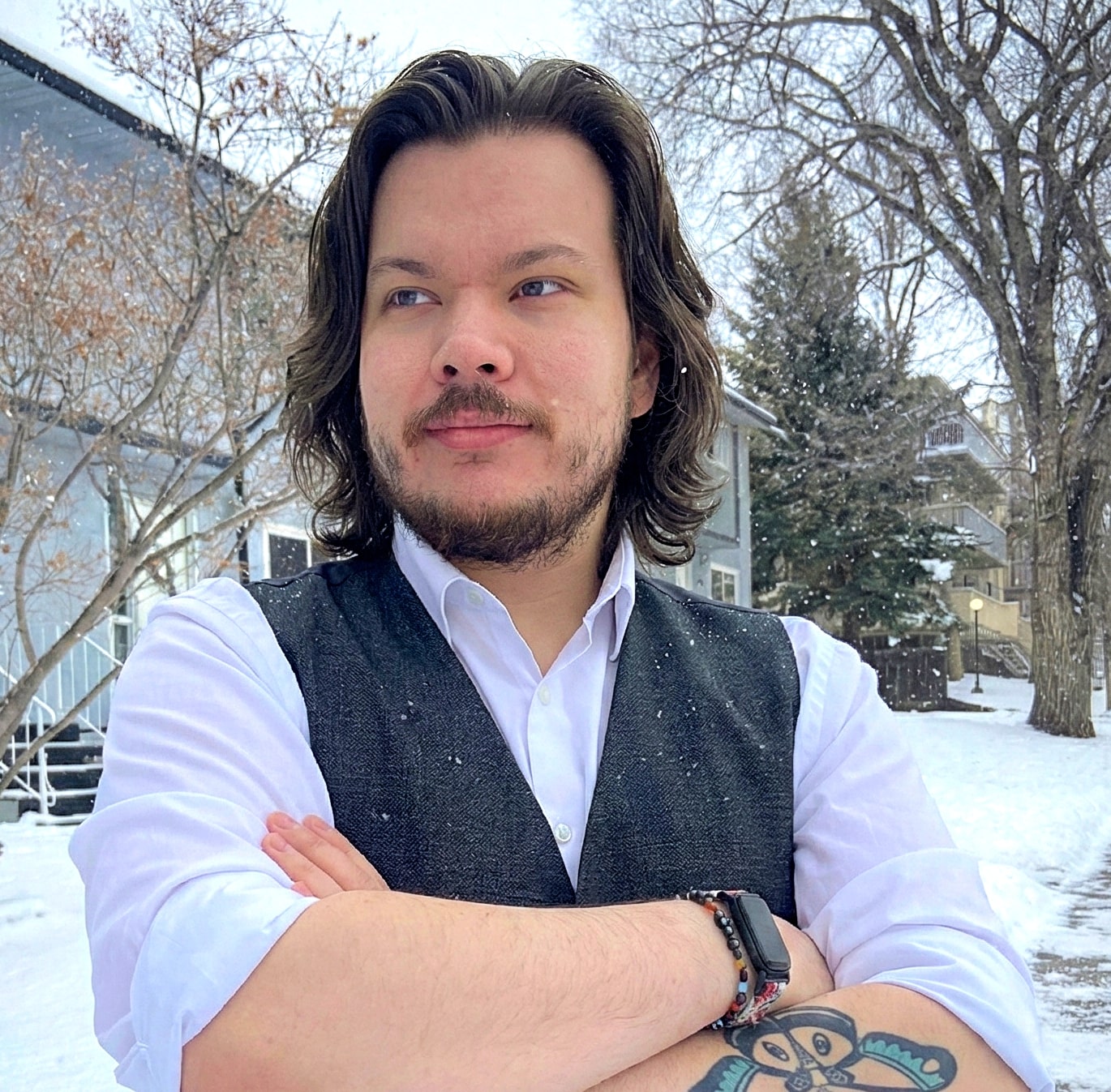
The laptop burns against my chest—3 AM again, the familiar weight of deadline pressure mixed with Zoloft and the particular anxiety that comes from knowing you have something important to say but not knowing if anyone wants to hear it. My heart does its usual palpitation dance, beta blockers keeping the worst of it at bay, and I realize: This is it. This is the moment I stop being afraid of putting myself out there.
Recently, I read another shallow take on Indigenous literature that managed to mention trauma three times and land acknowledgement zero times. The piece—by a well-meaning white critic from Central Canada—discussed “authentic voices” while somehow avoiding any actual Indigenous writers. Again. Similar pieces regularly get loud recognition online. Meanwhile, comprehensive analysis from NDN writers with lived experience struggle for visibility.
That gap—between what gets attention and what needs attention—is where I’m planting my garden. My flag.
When Literature Becomes Wallpaper
Literary journalism has become wallpaper. Beautiful, sometimes. Intellectually decorative. But, ultimately, background noise in a world that desperately needs critical nuanced thought to matter again.
I spent four years getting an English Honours degree at Mount Royal University. 3.8 GPA. Golden Key Society. The whole academic validation machine. I read the theory, wrote the papers, learned to speak the language of literary criticism. But somewhere between deconstructing Derrida and analyzing settler colonialism in Margaret Atwood, I realized something crucial was missing from most literary coverage: Bodies.
Real bodies. Indigenous bodies navigating white institutions. Queer bodies finding home in hostile spaces. Prairie bodies existing outside the Toronto-Montreal literary axis. Bodies that bleed and sweat and panic and heal through words.
Most literary journalism treats books like museum pieces. Sacred objects to be analyzed from a respectful distance. Meanwhile, I use Fyodor Dostoevsky to understand my own suicidal ideation, finding my Mémère’s spirituality in Louise Erdrich novels, and building community through shared vulnerability in a university writing club that grew to over 100 members.
Literature is medicine. Not decoration. And literary journalism should reflect that urgency.
What My Hands Know About Writing
My hands know the difference between the smooth plastic of my MacBook keyboard and the rough texture of the journal pages where I’ve writtensince age 14. Hands which know the weight of eight published books—from The Dogwood Verses (587 pages of poetry spanning a decade) to Prairie Boyspirit (a memoir exploring Queer Métis identity in urban landscapes).
Hands which know the calluses from four years of hospice cooking, feeding children. Hands which know the tremor that comes with panic attacks, the particular clumsiness of depression medication, the gentle pressure of my partner’s fingers when the anxiety gets too loud.
What I bring to Medium is not just academic credentials (though, I have those), not just publishing experience (over 175 articles written since 2015), but hands have touched the real world. Hands that have built community where there was none, hands that have facilitated workshops, typed heartbreak and graduation and the particular terror of living today.
The world needs more hands-on knowledge. Less detached analysis, more embodied criticism. Less “what does this mean?” and more “what does this do to a body reading it.”
Good-Faith Journalism as Medicine
When I say “good-faith journalism,” I don’t mean objectivity (that’s a colonial myth anyway—the idea that perspective can be neutral, that cultural positionality doesn’t matter, that someone can write about literature without acknowledging where they’re writing from). I mean transparency about methodology. I mean showing your research process, citing your sources, admitting when you don’t know something. I mean treating interview subjects as whole people rather than content extraction opportunities.
Most importantly, I mean understanding writing as healing practice rather than career advancement strategy.
I’ve been writing publicly for ten years now. I’ve learned that vulnerability shared responsibly creates connection. Cultural criticism, written from authentic experience, builds understanding rather than division. Showing your work—literally making your process visible—creates trust with readers who are tired of being talked at by invisible experts.
My commitment to good-faith writing and independent journalism is simple: I will tell you where I’m writing from, who I’ve talked to, what I still don’t understand. I will centre marginalized voices rather than extracting from them. I will follow stories over time rather than chasing trends. I will prioritize depth over speed, relationship over reach.
This is strategy as much as ethics. In an attention economy built on outrage and hot takes, sustained attention goes to writers who build trust through consistent transparency and authentic expertise.

The Gap Between Calgary, Winnipeg, and Toronto
I was born in Winnipeg. Grew up in Calgary. Did my degree at Mount Royal University, a school most people outside Alberta have never heard of. My literary education happened in prairie classrooms with professors who understood that Canadian literature extends beyond the 401 corridor.
Yet, most Canadian literature still painfully centres Toronto and Montreal voices, Toronto and Montreal publishers, Toronto and Montreal cultural priorities. Western Canadian writers get mentioned during awards season—if they’re lucky. Indigenous writers get profiled during National Indigenous History Month. Prairie perspectives show up as regional curiosities rather than essential viewpoints.
This geographic bias is distorting Canadian literary culture.
Here’s what gets missed when literary journalism centers Central Canada: the oil patch poetry of Alberta writers processing environmental grief; the particular way Treaty 7 territory shapes storytelling practices; the small-press innovation happening in cities like Calgary and Saskatoon; the Indigenous literary renaissance flourishing in communities that never show up in Globe and Mail round-ups.
I’m not calling for separatism. Never. I’m calling for inclusion that goes beyond tokenism. A literary culture that understands Canada as more than two cities and a handful of satellites.
My geographic position is a specialization, not a limitation. I can write about Prairie Indigenous literature from lived experience. I can analyze Western Canadian small press culture as a participant rather than an observer. I can bridge academic analysis with community organizing because I’ve done both.
My Commitments to You
Starting today, I’m publishing three times per week. Every Monday, Wednesday, and Friday. Here’s what each day brings:
Mondays—“The Work”: Process transparency. How I research stories, what tools I use, which methodologies guide my approach. Behind-the-scenes content that demystifies literary journalism while maintaining artistic integrity. Wednesdays—“The Story”: Main content. Long-form investigations, author interviews, cultural analysis. The meat of independent literary journalism, grounded in concrete imagery and embodied expertise. Fridays—“The Craft”: Meta-commentary. Industry analysis, writing technique discussions, reading recommendations. Cultural criticism that treats literature as living practice rather than historical artifact.
I’m starting on Medium because that’s where I’ve built audience over the past decade. But I’m also launching a newsletter—because email is the only platform writers actually own. Eventually, I’ll transition to Substack for more direct reader support and community building features.
My standards: thorough research with sources cited. Multiple perspectives when possible. Follow-up on stories rather than one-shot coverage. Corrections posted transparently when I get things wrong.
My focus areas: Meaningful, good writing. Indigenous literature and literary organizing. Queer voices and community building. Prairie perspectives on Canadian cultural politics. Academic accessibility without intellectual compromise. The intersection of digital culture and literary practice.
My interview strategy: amplify marginalized voices, focus on craft and process, build long-term relationships rather than extracting content. First targets include Indigenous writers across Treaty 7 territory, Queer community organizers, Prairie literary press publishers, and academic outcasts doing public-facing work.
What Happens Next
Next week, I’ll publish “My Writing Setup: From Journals to Publication”—a transparent look at the tools, spaces, and systems that support consistent literary journalism. You’ll see screenshots of my actual workspace, learn about my research methodology, understand how I maintain publishing consistency despite anxiety and perfectionism.
I’m building this in public because transparency creates accountability. Because showing your work builds trust. Because independent literary journalism needs to model the community-building practices it celebrates.
Sign up for my newsletter if you want behind-the-scenes updates and exclusive content. Follow me on social media for daily insights and book recommendations. Send me story suggestions—I’m particularly interested in literary communities, organizing strategies, and voices that aren’t getting mainstream attention.
Most importantly: engage. Comment on these pieces. Share them if they resonate. Join the conversation about what good writing and literary journalism could be if it centered community building over career advancement, cultural healing over cultural critique, relationship over reach.
This is my commitment to you and to the literary culture we deserve: consistent, transparent, community-centered journalism that treats literature as medicine rather than commodity. Writing that honours both intellectual rigour and embodied experience. Criticism that builds rather than tears down.
The laptop is cooling against my chest now. My heart has settled into its beta-blocked rhythm. 3 AM anxiety transforms into 3 AM possibility.
Let’s build something better together.
—
Next week: “My Writing Setup: From Journals to Publication”—a transparent look at the tools and systems behind consistent literary journalism.
Have story suggestions or want to chat about literary community building? Email me at mail@brennanbrown.ca or find me on social media.
Want exclusive updates and behind-the-scenes content? Sign up for my newsletter (link coming next week).
Comments
To comment, please sign in with your website:
How it works: Your website needs to support IndieAuth. GitHub profiles work out of the box. You can also use IndieAuth.com to authenticate via GitLab, Codeberg, email, or PGP. Setup instructions.
Signed in as:
No comments yet. Be the first to share your thoughts!