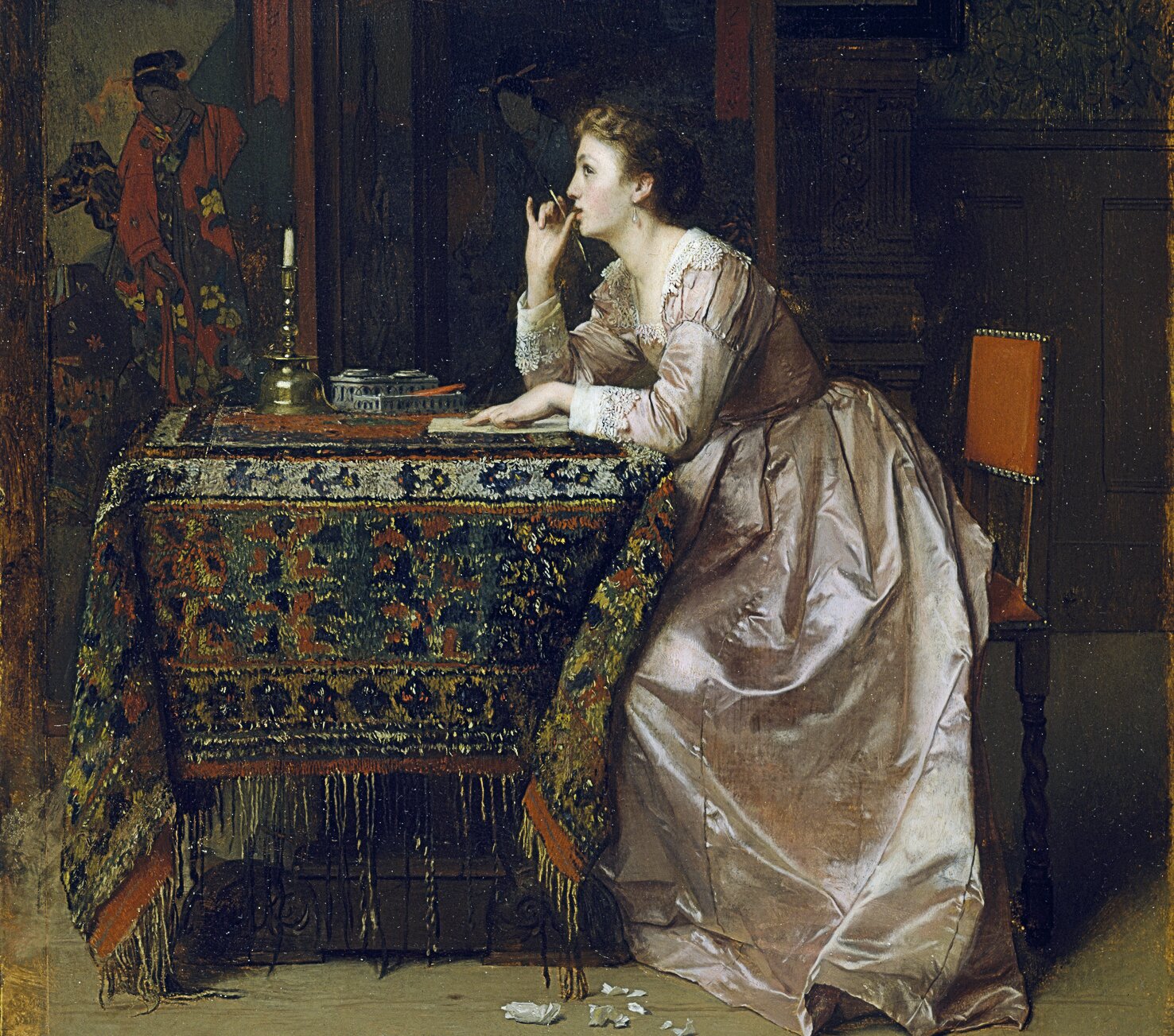
The Important Response by Florent Willems (Belgian, 1823-1905), 19th century, Oil on Panel | Source
My Blogging Workflow: A routine for nearly a post a day for 4 months straight.
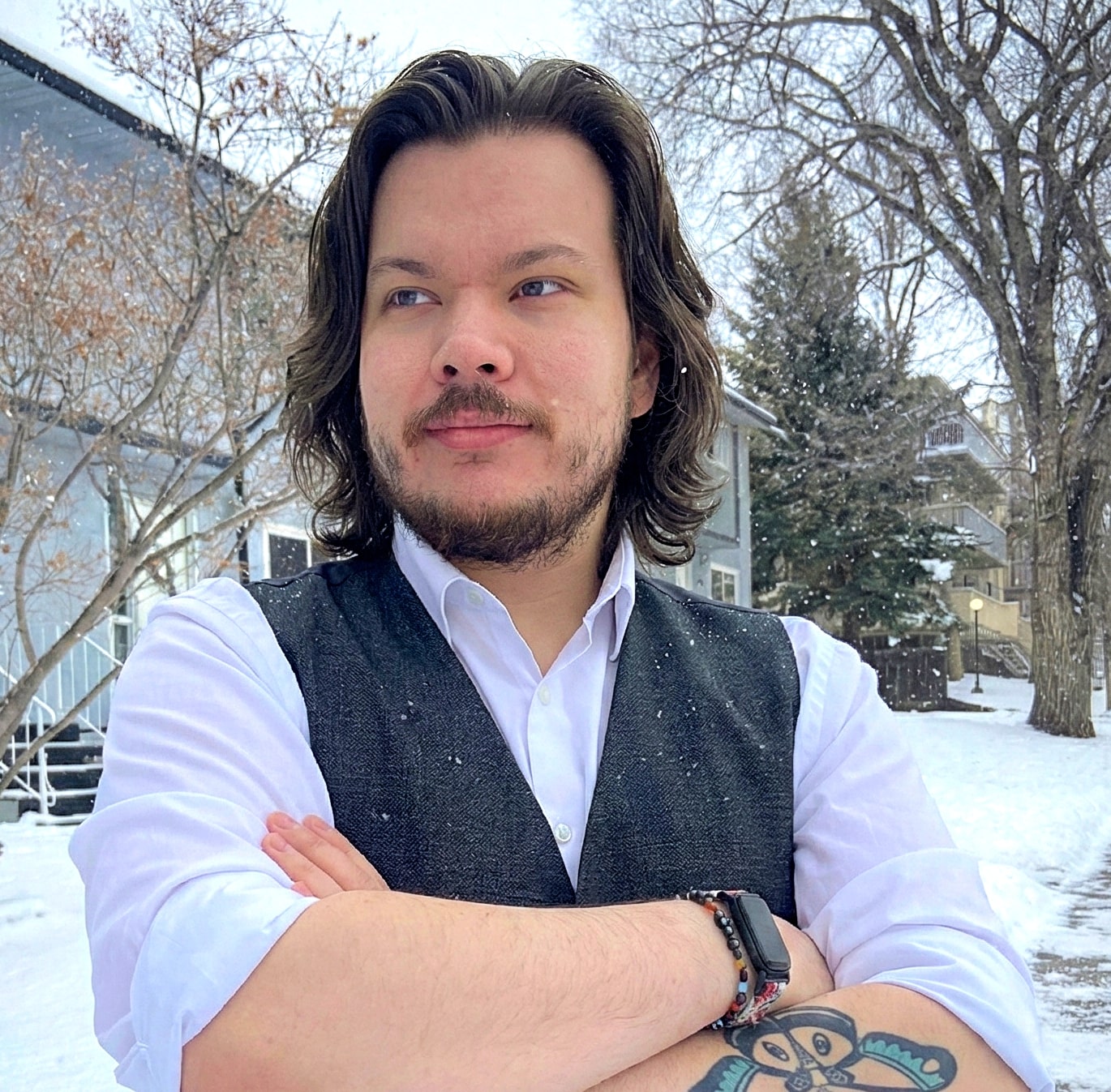
I recently found a collection of other bloggers and their blogging workflows on Robert Birming's site and couldn't help but be inspired to write out my own.
In truth, I've written about the writing process before (many times, whoops). When I did, I would give advice of what I think would be smart to do, or how I wish my writing routine would look like. Now though, I've found myself finally writing at a cadence I'm proud of and actually having fun in the process.
1. IDEAS
The way I figure out what I'm writing about varies. Because there was a large gap in my blogging posts during university, I accrued a large backlog of ideas I would mull over and ruminate on often. (Sometimes late at night in bed, tossing and turning when I should be sleeping.) Things I've spent years focusing on usually have a blog post which pours out rather effortlessly, like my thoughts on MMA/UFC after years of watching the sport with my brother, or my thoughts on The Mountain Goats after listening to them since middle school, or how I relate to BoJack Horseman or the underappreciated disability representation in Adventure Time.
Other times, I become inspired by something in the moment and immediately go to writing about it. Like when I heard the expression "there's more than one way to skin a cat," that was enough to jumpstart an essay on spirituality and universalism. Sometimes I'll find myself working on something for a few hours, like a peculiar Malware Analysis and realize there's a blog post right there for it.
Other, other times, there is no thesis I'm starting out with. I'll just go to the blank page and let stream-of-consciousness spill out. These usually result in more esoteric and nebulous blog posts, like musing about how we ought to reckon with change or deal with our fragile mortality. The heavy stuff that isn't anywhere close to being fully developed or coherent.
I find it's best that I get into writing mode but then don't write immediately, and instead go for a walk outside or shower. The distraction-free time really helps solidify specific points and areas I want to work on before I head straight into the writing and forget myself.
2. WRITING
Obviously, this is the bread and butter. I see writing as meditation, and so I always start with freewriting. My writing process is fairly simple. I go to https://750words.com and write my 750 words for the day by drafting my article. I've been a lifetime member of the site since 2011 and I've been on a consistent writing streak since January 2025. You'll notice that I only began writing publicly often around October. It took that amount of time writing privately consistently to transition to blogging that frequently!
Regardless of my focus or topic, I go as fast as possible, as I want to reach 750 words in around 20 minutes, though sometimes it takes much longer.
How do I have articles heavy with links and stats and quotes from others if I'm writing so quickly? When I'm writing a research-heavy essay or commentary, I'll put something in brackets with TK and return back to it in the editing process so I don't slow down with the writing. This is a handy shorthand from journalism that stands for "to come". Sometimes it's fact-based like [TK look up specific stats on link rot] or formatting like [TK add image or link properly].
That's really all there is to it. I use the heuristic of finishing my daily words to know when I have "enough" for a blog post. Sometimes I realize I'm nowhere close to finishing and keep going, though (like this post for instance, I've already reached 750 words of raw writing but I have several more steps to go!) You can view today's entry here, and you can see I moved to Sublime Text once I hit my daily word count since formatting is a lot easier there.
I would really love to have a more organized workflow, pulling up previous notes from Bear or having my work neatly organized in Uylsses. I also wish I had multiple different styles of formats, like links/bookmarks and notes/replies for shorter pieces, but I've found that using a simple journal web app with messy stream-of-conscious writing for traditional blog posts works the best for me!
I either write in silence or listen to Flawed Mangoes exclusively. Any other music is distracting to me, for some reason.
3. EDITING
Editing typically starts when I reach 750 words and I can relax and pause. Sometimes I sit and do nothing for a few minutes to see if anything important bubbles up that I forgot during the freewriting session.
I copy-paste my writing from 750words to Sublime Text 4, where I drop it into the src/posts folder and title the post Jekyll-style for organization, like 2026-03-02-my-blogging-workflow.md. I then begin making edits and filling in any TKs, doing searching and readings in order to flesh out the writing. I use inline links to reference things (citation styles like MLA or APA or Chicago just aren't web-friendly), and I have the bad habit of not archiving my sources, whoops.
I use the program's built-in spellcheck but I still manage to let a lot of spelling errors and grammatical mistakes through during first round. You'll see plenty of commits in my project's git history of me fixing typos in production.
4. ASSETS
Next, I start writing out the YAML front-matter for my blog posts. It usually looks like this:
title: "How are we preparing for the Long Web?"
date: 2026-03-01T00:00:00-07:00
tags: ["IndieWeb", "Digital Preservation", "Web Development", "Technology", "Digital Culture"]
summary: "What will the Internet look like in 2036? 2046? How do we reckon with the challenges of digital preservation, link rot, and building for the Long Web in an age of ephemeral content?"
description: "What will the Internet look like in 2036? 2046? How do we reckon with the challenges of digital preservation, link rot, and building for the Long Web in an age of ephemeral content?"
featured_image: /assets/images/blog/time-capsule.jpg
featured_image_alt: "A weathered concrete time capsule monument sitting on a sidewalk surrounded by fallen leaves. A metal plaque on the front reads: 'Bogalusa Diamond Jubilee Time Capsule, July 3, 1989, To Be Opened July 3, 2014.' The top of the monument has cracked open, with small weeds growing through the gap."
featured_image_caption: "Bogalusa Diamond Jubilee Time Capsule | [Source](commons.wikimedia.org/wiki/File:Bogalusa_Diamond_Jubilee_Time_Capsule.jpg)"
---
The title is tricky and I sometimes use a different title for my site vs. Medium because there are different audiences. The date has timezone built-in because otherwise 11ty will display the post's date off-by-one. My tags are a mess and I have way too many of them. The summary and description are identical because I'm silly: one is meant for the site's homepage and the other for when the post is shared on social media.
I ensure each post has a featured_image for the sake of anchoring the essay visually and having a nice social media share. Where do I get my images from? Rarely do I make them myself. Typically, I use the wonderful Wikimedia Commons, but sometimes I look through the public domain section of RawPixel. Flickr is also a wonderful resource for images under Creative Commons! I sometimes do edits of these images, usually in GIMP for fun.
Other than that, I try my best to limit how many images I use, since I have to save them to my site locally to prevent hotlinking. I also have to write out the HTML code manually for them when they're in the blog post, like this:
<figure>
<img src="/assets/images/blog/timon.jpg" alt="A watercolor illustration depicting Timon of Athens digging in rocky wilderness terrain, his muscular figure clad only in a draped cloth, uncovering a pile of gold coins at his feet. Evergreen trees and misty mountains form the background, with a bird in flight visible in the upper right.">
<figcaption>Timon of Athens, IV, 3, Timon laying aside the gold by Johann Heinrich Ramberg | <a href="https://digitalcollections.folger.edu/img36315">Source</a></figcaption>
</figure>
5. PUBLISHING
Publishing is very straight-forward! I just add the new markdown file and associated images to a new git commit and push to my repo on GitLab, my host Netlify is set to automatically redeploy the site whenever there's a new commit.
6. SYNDICATING
Posting elsewhere, on the other hand, is a lot more time-consuming.
To start, I use Robb Knight's wonderful EchoFeed to have my new post automatically be shared on my main/primary Mastodon account, @brennan@social.lol via my site's RSS feed.
Next, I manually copy-paste the post to my Medium to crosspost, typically with a paywall there and a link back to the free version on my site.
After that, I use Buffer to share the post on my Threads, BlueSky, and my Medium Mastodon instance simultaneously.
Then, I use IFTTT (because I accidentally subscribed to their premium version for a year) for a number of other syndications. The most important is tracking my Medium posts via Beeminder for accountability, although this isn't really that important since I've been writing so much freely.
Sometimes I'll share my post manually on LinkedIn if I feel like it's a suitable fit for professionalism, or whatever.
I'll also share my post on my personal Instagram for the sake of my friends and family, but I'm planning to delete that soon.
If I was a little smarter, I would automate a lot of this. If I was a lot smarter, I would forgo most of it entirely, since it isn't functionally meaningful, nor adding much.
Conclusion: Choose Joy
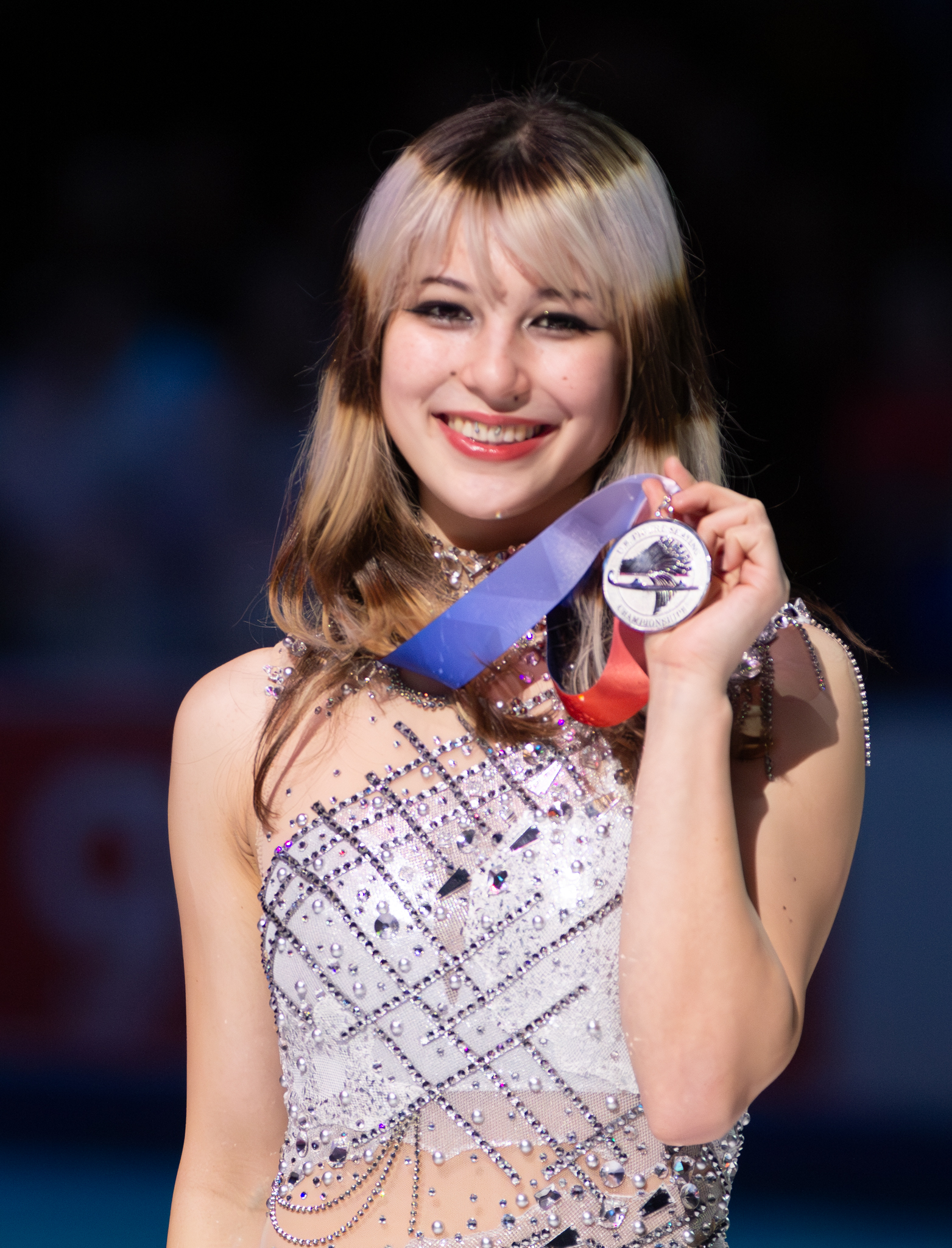
Like many others, I was inspired by Alysa Liu's olympic performance and the story that lead up to her gold medal win. Her story is about choosing joy and doing the work the way she wanted to do it. And this mentality paid off. My writing habit is nowhere near comparable to one of the best figure skaters in the world, but I do think the only way I've been able to start and keep this up is, too, by choosing joy and just doing things the way they work for me.
Exactly because of this, this isn't a guide—I've learned that you can never replicate somebody's output by replicating their input. The human you is a completely different person and that needs to be accounted for. Consider this an interesting behind-the-scenes, instead.
And I certainly encourage anybody reading that has a blog to share their workflow, too. Tag, you're it!


Comments
To comment, please sign in with your website:
Signed in as:
No comments yet. Be the first to share your thoughts!