Standards
I am completely independent. No advertisers, no corporate parent, no editorial line to maintain. I have Deflect.ca as my CDN, and readers who give me two dollars a month because they think this matters. That's a rare, privileged position and I plan on using it.
I'm not trained in journalism. I briefly tried it and dropped out in exchange for English literature and creative writing. I'm an independent writer with a blog and no journalism degree, just a reckless conviction that truth is worth pursuing even when you're not credentialed to pursue it. But I take the Society of Professional Journalists' Code of Ethics seriously. It's voluntary, not legally enforceable, and it's organized around four pillars.
Seek Truth and Report It
I will not amplify claims I cannot substantiate. If I can't verify it, it doesn't go in. I try to use inline source citations for every claim that isn't common knowledge, so you can click through and check my work yourself.
If I interview someone who spreads disinformation, I will not act in neutrality. I will name what I observe as they speak. I will link to scholarship, reportage, primary sources, and I will correct the record.
Act Independently
I have no advertisers. I have no corporate parent. Nobody edits me, nobody tells me what I can or cannot say. I will write what I actually think.
I have biases, politics, friends whose work I want to succeed, and blind spots based on my own identity. The goal isn't to eliminate that, but to be aware of it, disclose, and actively seek out sources and perspectives that challenge my assumptions.
I steelman the positions I disagree with rather than strawman them, attempting to make them as strong and compelling as possible.
Be Accountable and Transparent
I will acknowledge when I get things wrong. I will publish corrections prominently, next to the mistake, rather than quietly fixing it and hoping nobody notices. It's "I regret the error," not "mistakes were made." I made the mistake. I regret it. I take ownership of it.
I will not correct something that wasn't actually wrong just because someone complains. If someone disputes my reporting and I have the receipts, I stand by it.
Publishing nearly daily, I won't ever be someone who makes no research errors. Staying visible while imperfect matters more than never being wrong. I'd rather give grace to myself and others.
Minimize Harm
Unnamed ideas cause more harm than named ones. I don't believe in sweeping dangerous, harmful beliefs without critical examination, because a lack of understanding why they appeal to people is how those beliefs sneak into lives unrecognized. I will not make that argument without being conscientious, and I will continue listening to Indigenous Peoples and other marginalized folks about how this work serves or costs them.
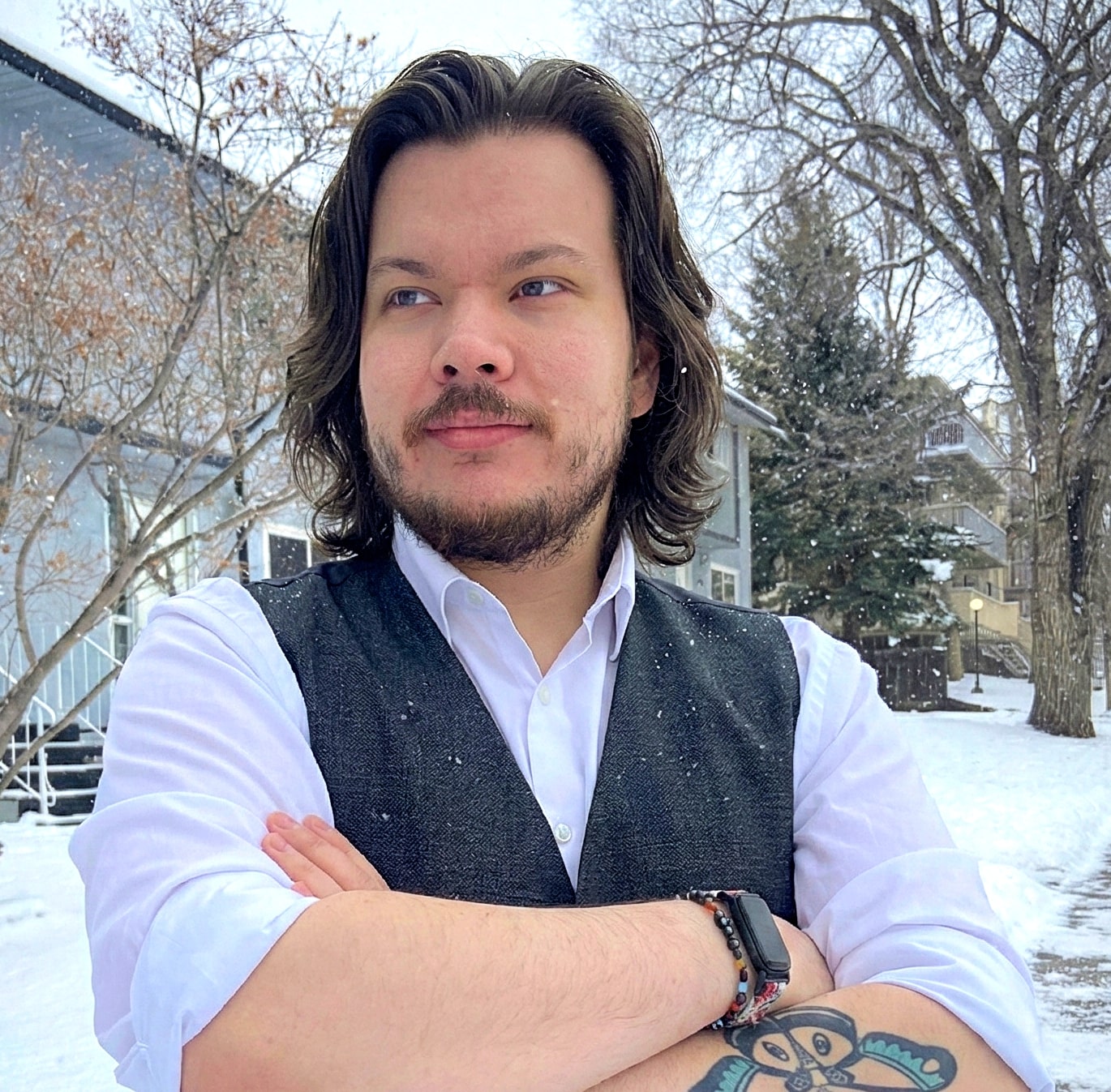
I'm Métis. I have certain connections and certain responsibilities when writing about Indigenous communities and issues, and being Métis doesn't make me Cree or Lakota or Navajo. Different Nations, different histories, different protocols. I can write about my own family's experiences and about broader Indigenous issues with appropriate sourcing and consultation. I have no authority over stories that aren't mine to tell, and the ethical choice is to step back and amplify someone else's voice.
Tough, but Fair
Fair means everyone gets the same neutral application of rules. Just means everyone gets what they deserve, weighted by context and circumstance and the totality of their actions. Fair isn't enough on its own—treating everyone exactly the same way means letting people with more power, more resources, more institutional protection off the hook.
Tough means I don't soften the truth to make it more palatable, don't omit the difficult details because they complicate the narrative, don't let sources off easy when they're dodging accountability. Fair means I give everyone a chance to respond, represent opposing views accurately, acknowledge when the situation is more complex than my thesis would suggest.
Being tough risks being unfair, and being fair risks not being tough enough. The work is holding both at once. Being rigorous in my reporting while being humane in my treatment of subjects. Being critical without being cruel. Being honest while still being kind.
There's an unspoken compact between a writer and a reader. I promise you that everything I publish happened. I didn't make it up, didn't exaggerate for effect, didn't create composite characters or move events around on the timeline to make a better story. I'm telling you the truth, with all the ambiguity and complication that comes with it.
In exchange, you agree to trust me, and follow me down rabbit holes that matter.
That's the deal. Tough, but fair. Rigorous, but humane. Honest, but kind.