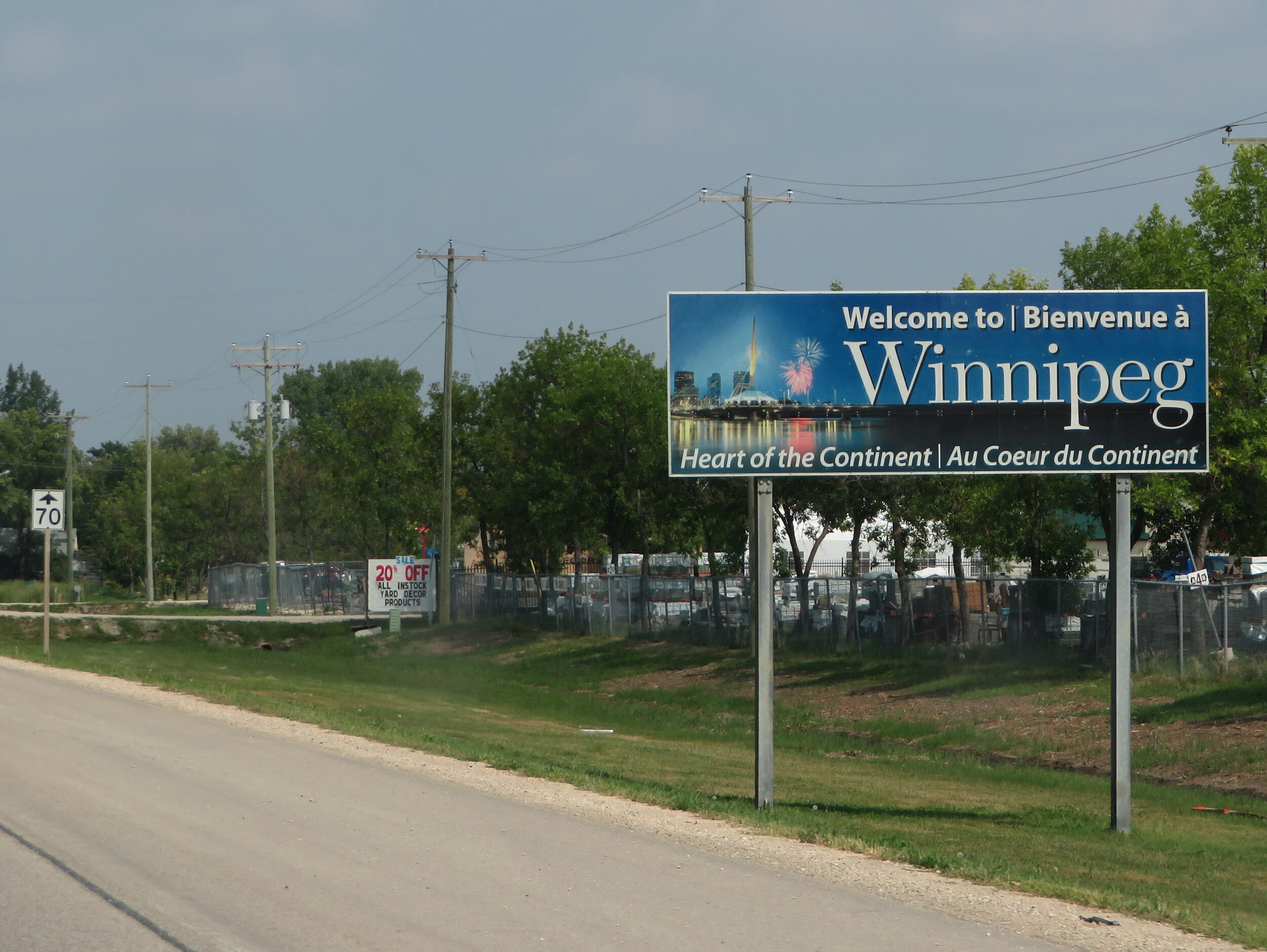
Winnipeg, Manitoba: My Hometown
And up above us all / Leaning into sky
Our golden business boy / Will watch the North End die
And sing, “I love this town” / Then let his arcing wrecking ball proclaim:
I hate Winnipeg.
—The Weakerthans, "One Great City!"
I was born in Winnipeg, Manitoba. The name comes from the lake, the word winipeg or Win-Nippe meaning "dirty water" in Ojibwa (Algonquian), though other sources will tell you it's Cree. Muddy water. The city was named after Lake Winnipeg. The water named the land, and the land named the people.
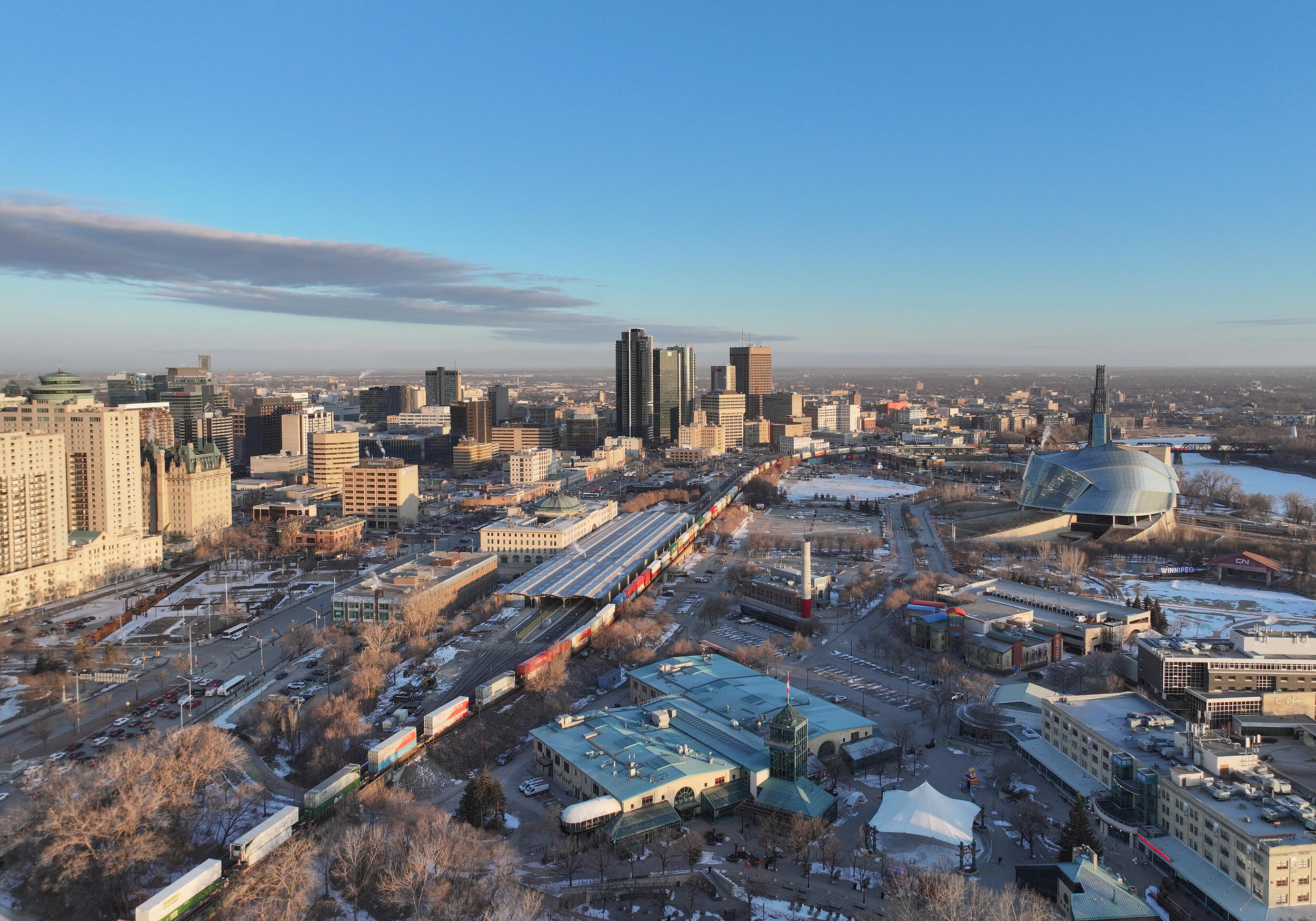
My city answers to many names: The Peg. The 4. Winterpeg. Heart of the Continent. Chicago of the North. The official Slurpee Capital of the World for over twenty years running. But the oldest name is still the truest one. Muddy waters.
One of the nicknames is the Gateway to the West. But a gateway is just a door, and doors are for people passing through. Winnipeg has always had to fight the assumption that it's a place you leave.
Winnipeg is located within Treaty 1 Territory, the traditional lands of different Indigenous Peoples, including Anishinabe, Ininew, Oji-Cree, Dene, and Dakota. Territory 1 is also the birthplace of the Métis Nation and the Heart of the Métis Homeland. Bois Brûlés; flower beadwork people; Otipemisiwak; Louis Riel's people, and, as we call ourselves in our own language, Michif.
Where I Was Born
I was born on Martin Avenue, just off Henderson Highway, on the west bend of the Red River, in Glenelm, a small, tree-lined neighbourhood in the northeast of the city, a cemetery on its south edge and the river running alongside. Henderson Highway is the neighbourhood's main artery. Strips of dollar stores and nail salons and independent restaurants and community clubs where men in their fifties play hockey on weeknights.
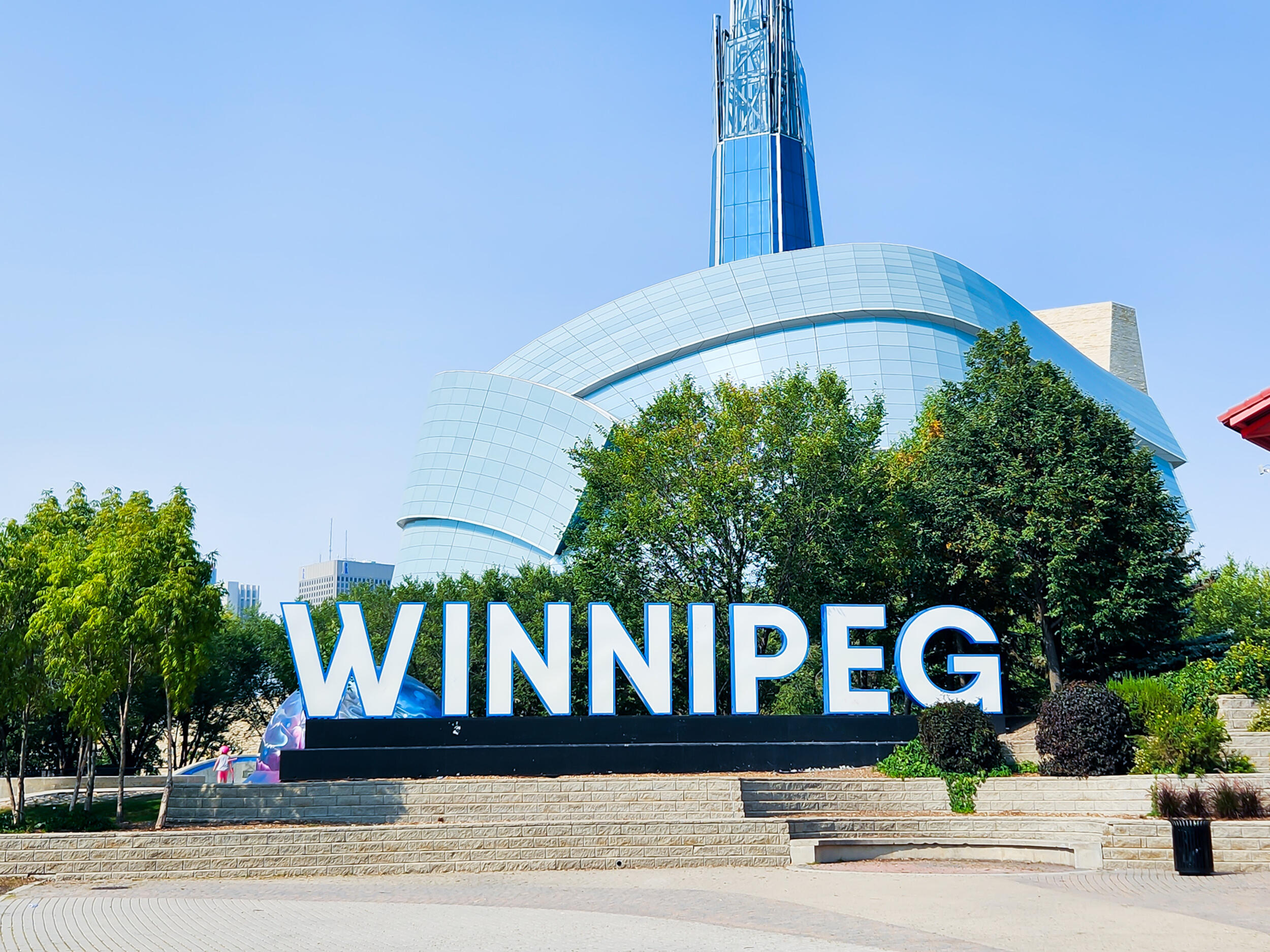
Before there were streets, there were rivers. For thousands of years, the Forks was a meeting place—camps, fishing, trade, prayer—where the Red linked ancient northern and southern peoples all the way down to the Missouri and the Mississippi. Long before the first fort was raised, before the first surveyor's chain was stretched across the prairie, people gathered here. When two rivers touch, you stop. You listen. You make a fire.
Les Gens Libres
The Red River Settlement is the birthplace of the Métis Nation and the Heart of the Métis Homeland. French voyageurs and Cree women and Ojibwe women and Scottish settlers and Assiniboine peoples, all braided together across generations of the fur trade, riding horses while hunting bison in expeditions. Les gens libres. The Free People.
I'm a card-carrying Manitoba Métis Federation member. My People trace back through the Lamirandes, the Berthelets dit Savoyard, the Charbonneaus. Names in the parish registers of St. Boniface and in the kinship networks of the Red River Settlement.
In 1816, at Seven Oaks—the Victory at Frog Plain—Cuthbert Grant led Métis horsemen during the Pemmican War. This is now understood as the founding moment of Métis nationhood. The North West Company against the Hudson's Bay Company, pemmican and fur and the right to exist. The Métis won. In blood, it was proclaimed, we are a people, and this is ours too.
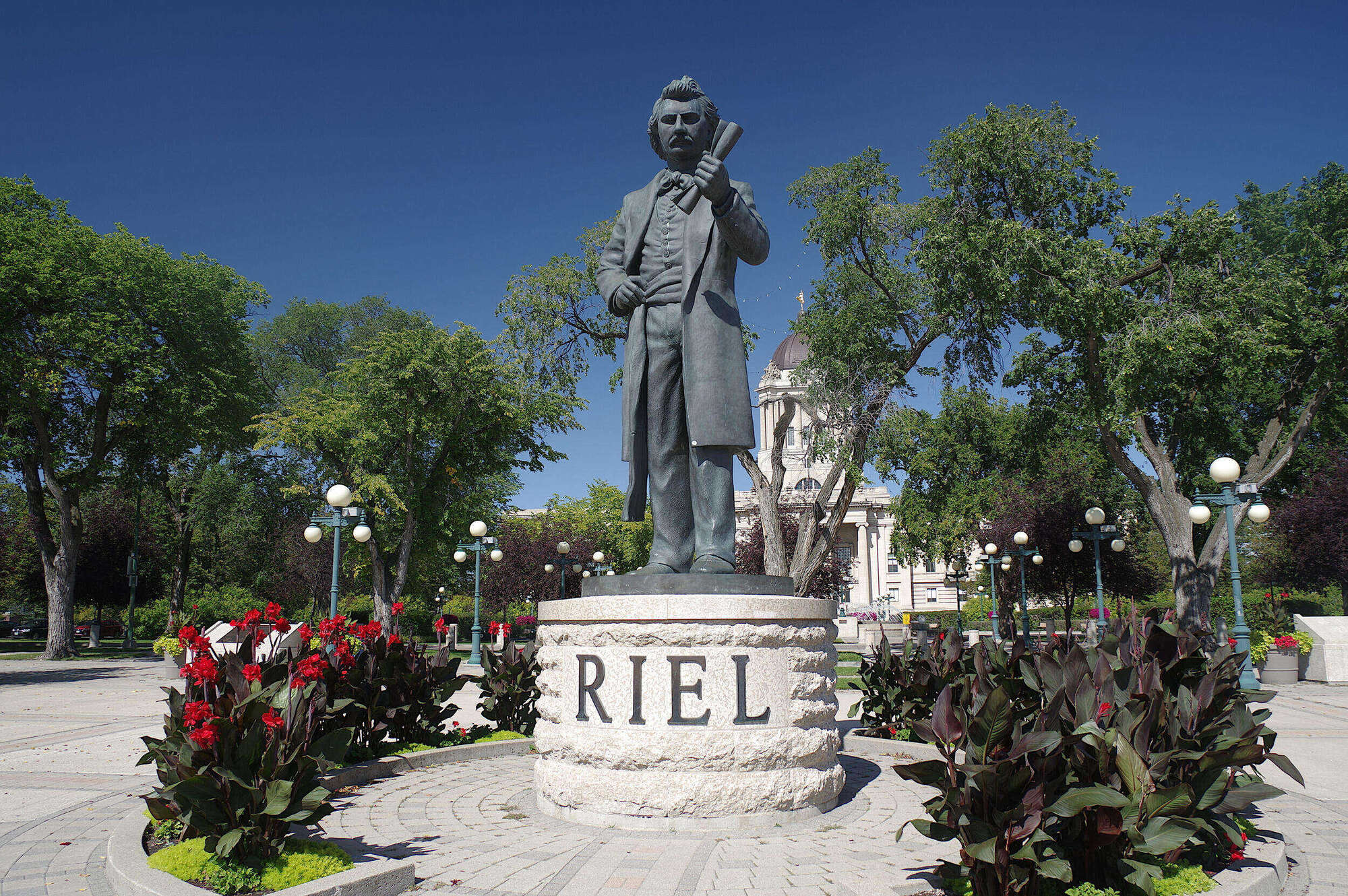
The political and spiritual leader, Louis Riel, negotiated Manitoba into Confederation. The province would not exist in its current form without him, he was our first Premier—and was executed for it in 1885, charged with treason for the crime of governing his people without Ottawa's permission. The Manitoba government only officially acknowledged him as the first Premier in 2023, following the election of Wab Kinew. One hundred and thirty-eight years. Riel said:
"My people will sleep for one hundred years, but when they awake, it will be the artists who give them their spirit back."
I have thought about that quote many times while writing. The sleeping was hiding. Survivance. Scattering north and west and underground, waiting.
The MMF recently signed a Self-Government Recognition and Implementation Treaty, the first of its kind in Canada. The Red River Métis negotiated their own way into Confederation once, and now have a modern treaty to prove they never left. He was right.
Birth of the City
The first forts were built in the 1700s: Fort Rouge, Fort Gibraltar, Fort Douglas, Fort Garry. The Europeans naming and re-naming, staking claims like flags in the body which already had a name. The Hudson's Bay Company. The North West Company. Rival empires fighting over pemmican and fur with the territorial aggression that would later be called commerce.
The city was incorporated in 1873. When the CPR arrived in the early 1880s, 3,000 real estate offices sprouted up and the population doubled. Gateway to the West, they proclaimed. The fastest-growing city in North America in 1905. The Exchange District—terracotta-clad brick warehouses in the Chicago style—still stands today. Bankers Row on Main Street. Three daily newspapers shouting news out their windows.
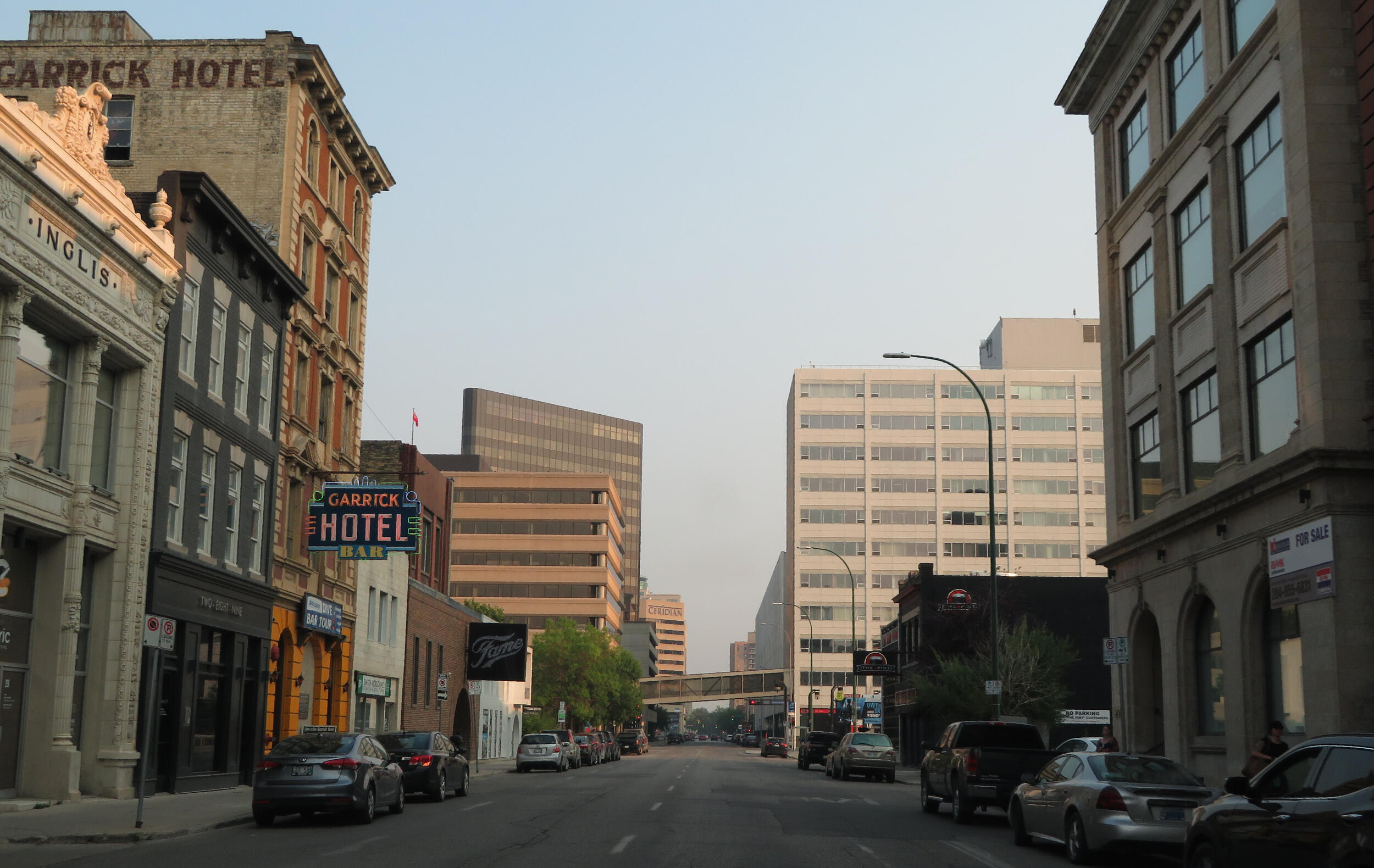
By the 1920s, more than half of the world's wheat sales were processed at Winnipeg's Grain Exchange. Half the world's bread. Weighed and sold on a floodplain in Manitoba.
Portage and Main is the windiest corner in North America. My city's most iconic intersection is known by the wind blowing through. Two directions: go west toward the mountains or east toward the Shield. Winnipeg is the threshold.
In May 1919, thirty-five thousand workers walked off the job. No streetcars. No bread delivery. No milk. The telephone operators went silent. What were they on strike for? Union recognition, collective bargaining, and more equitable share of the wealth of the world.
It was the greatest rupture between the working class and the upper class in commercial society since the Paris Commune of 1871.
How did the state respond? On Bloody Saturday, the RNWMP rode into the crowd and fired, killing two and injuring dozens. The strike was crushed. Afterwards though, four of the strike leaders were elected to the provincial legislature in 1920, including men who were still in prison. The CCF that came out of it became the NDP, the left-wing democratic socialist party of Canada.
Our Culture
In the 1960s, Winnipeg was the acknowledged rock 'n' roll capital of Canada. The scene lived in neighbourhood community clubs where Neil Young got started, who'd moved to Winnipeg as a child after his parents' divorce and recorded his first songs as part of the Squires, playing Winnipeg coffee houses in 1963. And The Guess Who, Randy Bachman and Burton Cummings, sold more records than the entire Canadian music industry in 1970. Bachman-Turner Overdrive. Crash Test Dummies. Chantal Kreviazuk. All Winnipeg-born.
The punk scene in the 80s and 90s had Propagandhi and Red Fisher hosting basement shows on MacMillan Avenue, and playing all-ages shows at the West End Cultural Centre. Out of that came The Weakerthans, John K. Samson left Propagandhi to start a publishing company and the band. If you want to understand Winnipeg from the outside, listen to their records Reconstruction Site and Reunion Tour. Samson writes smart, deeply moving songs about people on the margins of society, set in a city he can't decide whether to love or hate.
Guy Maddin is Winnipeg's other great mythologizer, a filmmaker who shoots in grainy black-and-white dreamstuff, dedicating his career cinematically trying to escape the city. My Winnipeg (2007) is part documentary, fever dream, and love poem: a man on a train, trying to sleep his way out of a city that keeps pulling him back. The Winnipeg Film Group trained a generation of filmmakers—Maddin, Matthew Rankin, Noam Gonick, Shawna Dempsey—who critics call "Prairie Postmodern": serious work making fun of serious work.
Miriam Toews is one of my favourite authors, born out of Manitoba, whose novels are the funniest and most devastating things in all of Canadian literature. A Complicated Kindness. All My Puny Sorrows. Women Talking. Toews writes about women surviving impossible situations using dark humour and absolute love and zero tidy resolutions.
Sports
The Winnipeg Blue Bombers are a CFL institution, Grey Cup champions multiple times over, woven into the city. You can complain about them freely and no one else is allowed to.
And the Jets. The original franchise left for Phoenix in 1996 and the city grieved. When the Atlanta Thrashers relocated and became the Jets again in 2011, Winnipeg threw a street party. All 13,000 season tickets required to bring the NHL back to Winnipeg sold out in just 17 minutes. The city needed proof that not everything which has left stayed gone.
The Food
The Fat Boy is a burger smothered in a chili meat sauce, topped with dill pickles, tomato, lettuce, and a lot of mayo and mustard. It originated in the 1950s when Greek immigrant families started opening burger joints across the city: Juniors, Georges, Dairi-Wip, VJ's, the Red Top, Super Boys. Multiple establishments claim to be the inventor, but the Fat Boy is more of a philosophy than a recipe: More is more, so why are you being precious about a hamburger?
Honey dill sauce is one of my favourites, both sweet and herby. Mayo, honey, dill. Created by accident at a Winnipeg restaurant when someone was trying to copy a different sauce and got this instead. People smuggle jars of Greetalia across provincial lines.
There's also a deep Ukrainian diaspora in this province, and perogies and kubasa is a staple as a result. Made with Farmer's sausage from the Mennonite communities in the surrounding towns, cold-smoked pork, heavily traditional, with a side of sour cream for the perogies and mustard for the kubasa. Eaten at community halls and at your grandmother's table and at 2 a.m. after last call.
There's the Winnipeg Goldeye, a small fish, hot-smoked and indigenous to the Red River and also the city's minor league baseball team. There's pickerel pulled from Lake Winnipeg and pan-fried on the shore. Bison. Bannock. Saskatoon berries. There's Schmoo torte, a Jewish sponge cake topped with whipped cream, caramel, and pecans.
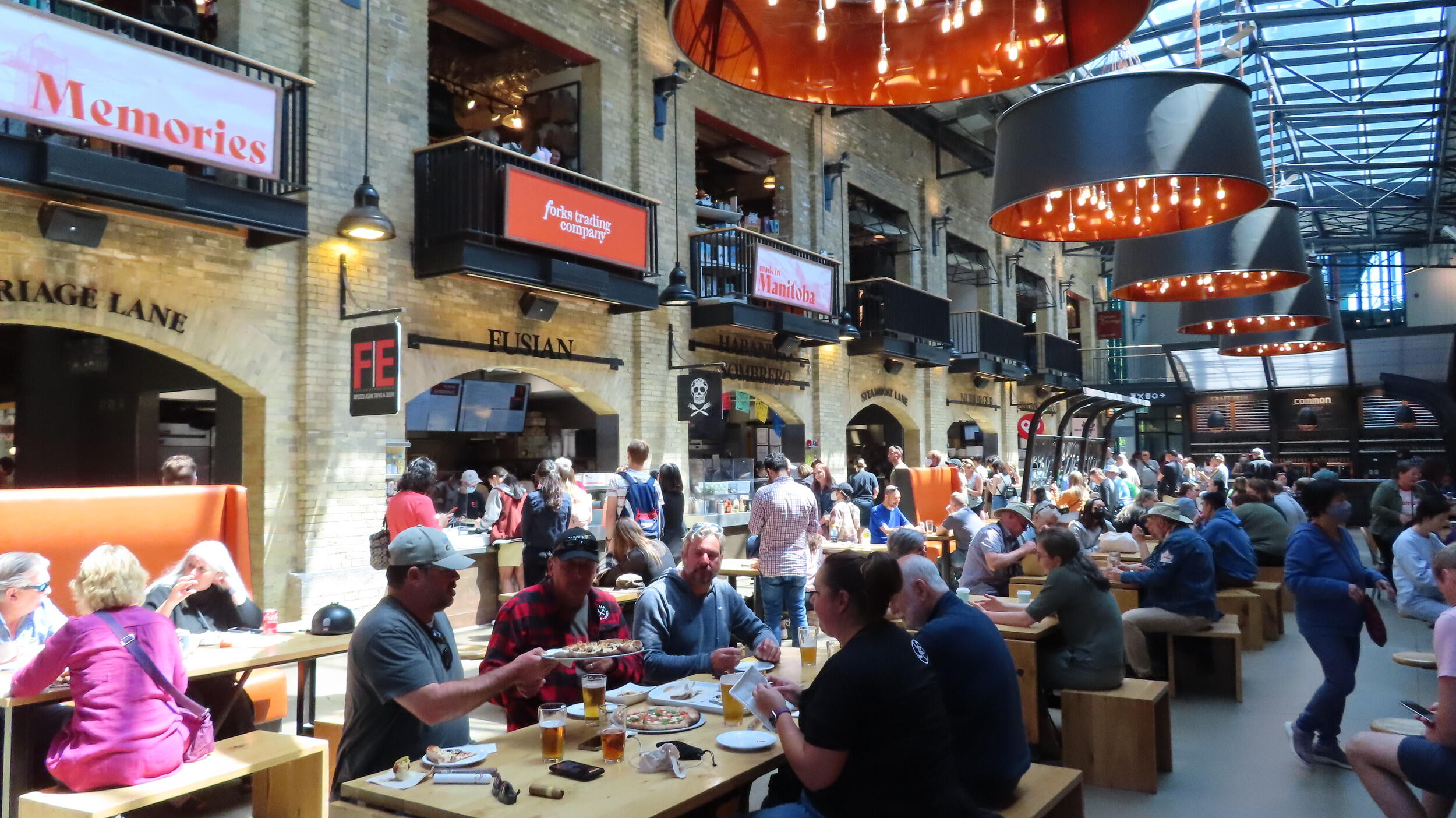
The food is the city. Ukrainian, Mennonite, Greek, Jewish, Métis, Cree, Filipino, Vietnamese, Icelandic. Everyone left something in the kitchen.
Water!
Manitoba is one of the most beautiful places in North America. Lake Winnipeg is one of the ten largest freshwater lakes in the world by surface area, bigger than New Hampshire, stretching four hundred kilometres from north to south, with a warm sandy south basin and a subarctic north basin.
Grand Beach has three kilometres of powder-white sand dunes, twelve metres high, formed by Glacial Lake Agassiz at the end of the last ice age. Ranked one of the best freshwater beaches in the world and an hour from downtown Winnipeg.
Winnipeg Beach on the west shore is the classic prairie resort town: boardwalk, pier, and a faded-glamour feeling of liminality. My grandfather, Kenneth Gordon, has a road named after him there.
There's also Gimli, named for paradise in Norse mythology, home to the largest Icelandic community outside Iceland, where the Icelandic Festival has been running since 1890. Viking re-enactors on the shores of an inland sea in Manitoba. The province does what it wants.
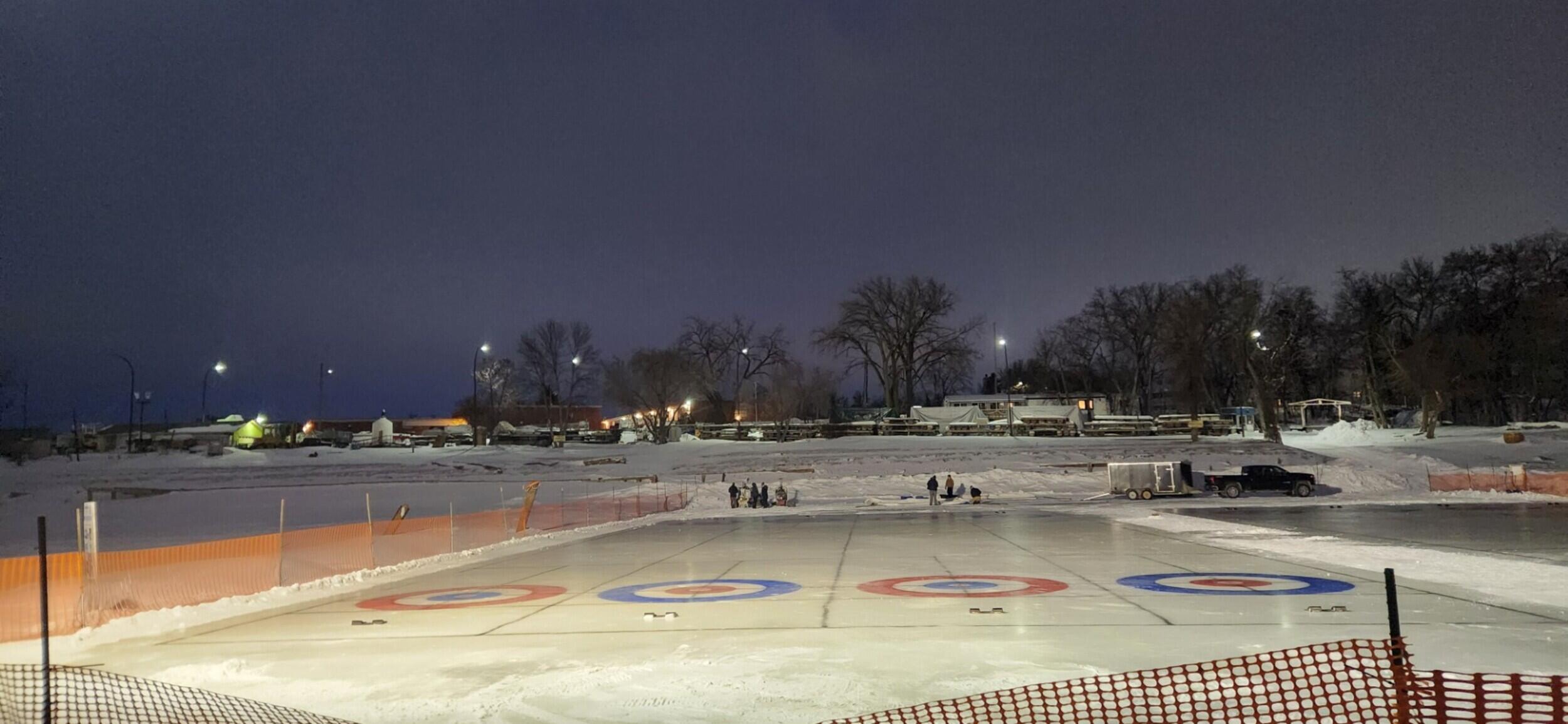
The winters are brutal and long and the summers are short and violent and the light in August, on the shore of that lake, is the kind of light that makes you believe in things.
The Bear
One more thing. In 1914, a soldier named Captain Harry Colebourn acquired a black bear cub. When he shipped out to France, he donated her to the London Zoo, where a boy named Christopher Robin Milne fell in love with her. She was named after Colebourn's hometown—and that bear became Winnie the Pooh. The most beloved children's bear in the history of English literature is named after the muddy water city in the middle of the Canadian prairie. I think that my city's most famous cultural export is this soft, gentle animal who loves honey and gets stuck in things and is held up by his friends.
Muddy Waters
I find myself at thirty finally understanding what it means to be from somewhere. Where you were made—the river you were born beside, the names in your genealogy, the taste of honey dill sauce on chicken fingers on a -35°C evening in January. Origin is not destiny, but it is information. Telling you what you carry and what you owe and what you were formed out of.
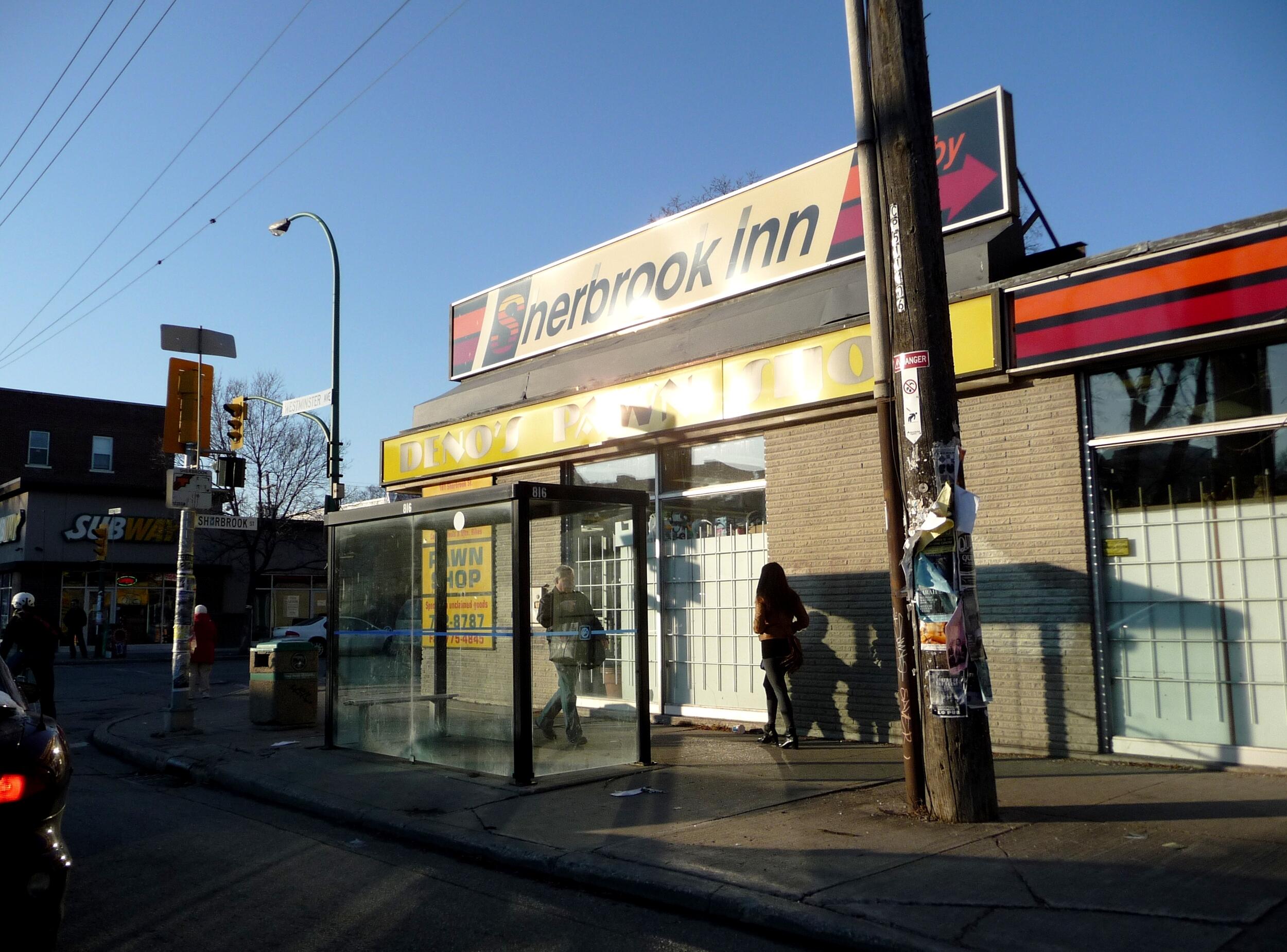
Winnipeg has been boomed and busted and flooded and frozen and struck and suppressed and mythologized and dismissed and it is still there, at the hinge of the continent, making music in basements, frying fish on the shore of the world's largest freshwater lakes, witnessing the river go north. My people have been at that confluence for longer than the city has had a name.
The water is muddy because it carries everything.


.jpg)
.jpg)
.jpg)

.jpg)
.jpg)