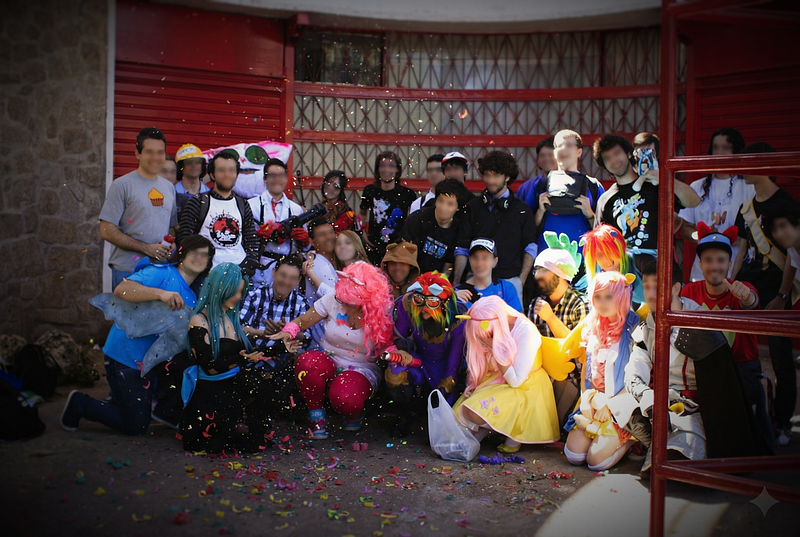
Fandom is Awesome. Furries are Awesome. Bronies are Awesome. Cringe is Awesome. Fuck You.
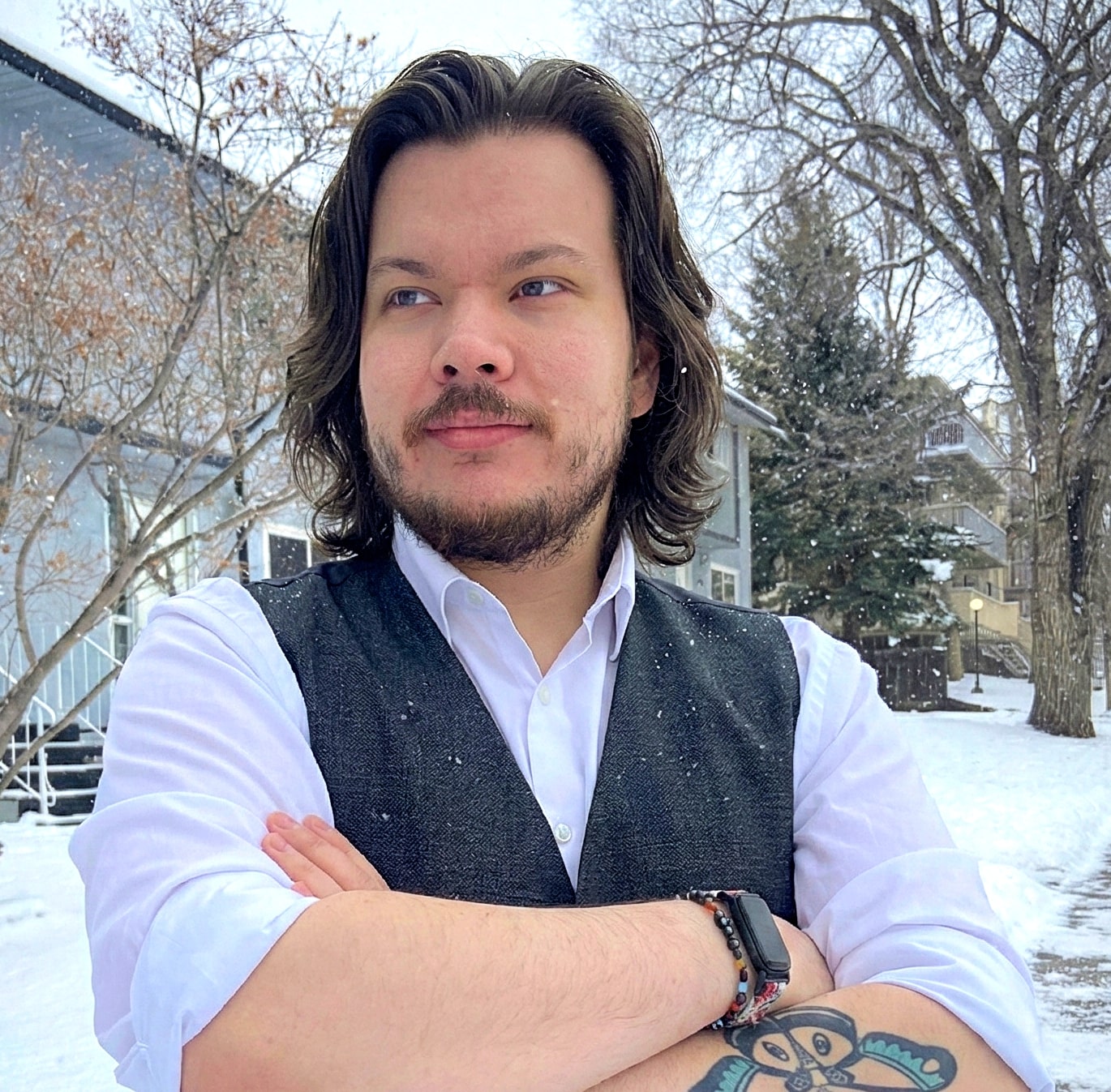
When I was sixteen, I composed music for a Homestuck fangame called Featherbent. I spent hours in a pirated version of Ableton Live, crafting melodies with patches for characters I’d never meet but adored anyway. I wrote fanfiction. Every sentence dripped with melodrama and the dialogue read like a translation error. I posted it. People read it. Some even liked it.
I’m twenty-nine now. I have an English degree. I’ve published poetry chapbooks. I ran a literary collective. And I’m telling you this because I need you to understand that I was cringe and I am still cringe. I refuse to kill that part of myself. This essay is about why.
The Mechanics of Recoil
Let’s establish what we’re actually talking about. Cringe, as in the visceral full-body recoil when you witness someone else’s earnest enthusiasm, isn’t random. Developmental psychologist Loren Soeiro, Ph.D. ABPP describes it as an automatic empathy response manifesting as either contempt or compassion. Your brain, adapted for social conditioning, treats the pain of social rejection the same way it processes physical injury. You’re watching someone attempt to make a positive impression and failing by metrics you’ve internalized but they apparently haven’t.
The academic term is vicarious embarrassment. The colloquial term is second-hand cringe. When you’re uncomfortable because someone else isn’t performing the elaborate dance of social acceptability the way you’ve learned to perform it.
According to Heider’s balance theory, we’re most comfortable liking people who like what we like and disliking people who like what we dislike. Aversion to those who enjoy “weird” things is cognitively comfortable. It requires no work. No examination. No tolerance.
Melissa Dahl theorizes that awkwardness strikes when “the ‘you’ you think you’re presenting to the world clashes with the way the world is actually seeing you.” But what if you simply don’t care about that clash? What if you’ve decided the world’s perception matters less than your joy?
That’s the threat. Not the fursuit, nor the brony. Not the teenager at the convention in elaborate cosplay lip-syncing to their favourite anime opening. The threat is their refusal to perform shame.
Who Gets the Cringe Label?
A man in Philadelphia spends $3,000 on Eagles season tickets. He owns seventeen jerseys. He’s painted his basement green. He screams at the television every Sunday, his entire emotional state dependent on the performance of strangers throwing a leather ball. He attends tailgates where grown men grill bratwurst at 8 AM and compare statistics with religious fervour. He also produces fan content—podcast episodes, fantasy league analyses, arguments on Reddit that spiral into the hundreds of comments.
Is he cringe?
Meanwhile, a teenager in the same city spends $300 on a BTS concert ticket. She owns seventeen photo cards. She’s covered her bedroom walls in posters. She screams at the television during award shows, her entire emotional state dependent on the performance of strangers singing in Korean. She attends viewing parties where young women gather at 8 AM (timezones) and compare comeback concepts with religious fervour. She produces fan content—video edits, fan theories, arguments on Twitter that spiral into the hundreds of quote tweets.
Many online, and in real life, call her cringe.
Fandom spaces are dominated by women and neurodivergent people. There’s congregation because of their lack of positive representation in mainstream media. And cringe culture’s discriminatory practices of misogyny, ableism, and homophobia sit right at its forefront.
The difference isn’t the behaviour, but rather who’s performing it. Sports fandom is dominated by neurotypical men, so it gets a pass. K-pop fans, anime enthusiasts, furries? Labeled cringe because the demographics skew to female-presenting, Queer, and neurodivergent.
During COVID-19, people not previously entrenched in fandom flooded into communities on TikTok. Suddenly these spaces, which were previously insular, previously safe, now were invaded by what longtime community members called “normies.” Normies bought judgment. Ridicule. The viral cringe compilation. The result is a pattern of fandom abruptly dissipating after being deemed cringe due to larger cultural exposure.
When you share something “cringe” you get a social boost by rolling your eyes together with others. You feel like you’re all in the know, like you wouldn’t commit such a faux pas. But what you’re really doing is performing your adherence to invisible rules.
The Animals
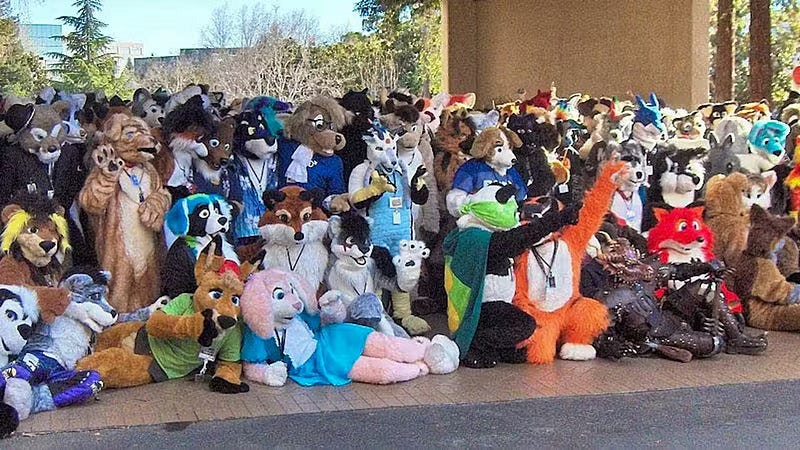
Alright. Let’s talk about furries.
I can feel the recoil. That’s fine. Sit with it. Despite a history of bullying and significant social stigma, furries benefit from fandom participation. Association with like-minded others in a recreational environment correlates with greater self-esteem and life satisfaction.
Furries don’t significantly differ from the general population regarding psychological well-being or relationship satisfaction. In fact, they were more likely than control groups to have a better-developed, more coherent and stable sense of identity. The most-cited draw to the furry fandom is its sense of belongingness, recreation, and escape from daily mundaneness, as well as appreciation of anthropomorphic art.
About 15–20% of furries wear elaborate fursuits. But unlike anime cosplayers attending conventions, furries face an automatic assumption that they’re engaging in fursuiting for sexual reasons. Data shows this is very rarely the case. Yet the stereotype persists because it’s easier to sexualize and dismiss a community than to understand why someone might find joy in anthropomorphic animal personas.
Furries are 50% more likely than the average person to report having been bullied during childhood. Half of this community comes from backgrounds of social ostracization. For most furries, the fandom is about forging lifelong friendships and building a social support network in a community that won’t judge them for unconventional interests.
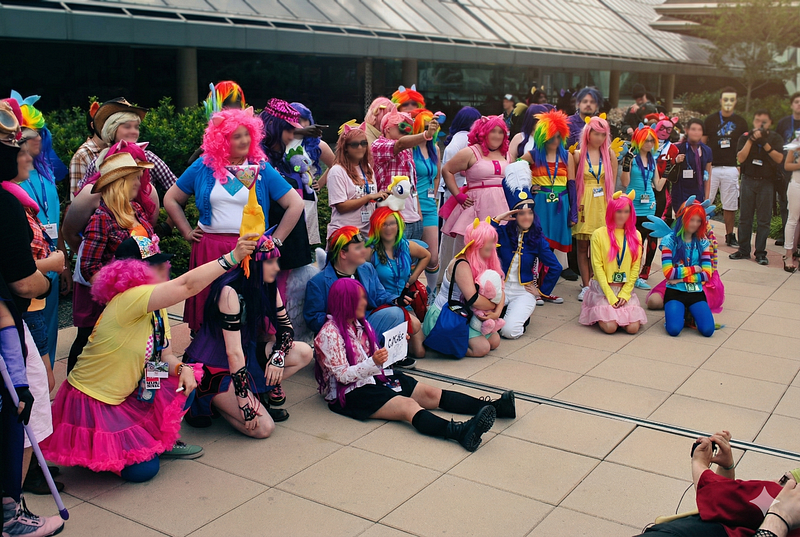
Let’s move to bronies, the adult fans of My Little Pony: Friendship is Magic. The punching bag of the internet for over a decade.
Fandoms, especially bronies, are positive groups offering a majority of members significant benefits. Half or more of bronies reported overall emotional improvement after joining the fandom, attributed to increased self-acceptance and social support. Establishing friendships and finding guidance were rated as the most important aspects.
Therapists encountered anecdotal examples where the community helped shy or anxious young people better adapt. Brony communities save young men not just from social isolation, but suicidality.
As a group, bronies tend to be higher in introversion and agreeableness. The fandom serves a strong “Social Function,” helping expand friendship networks, and a “Guidance Function,” supporting moral choices. Brony fandom openly contests traditional concepts of masculinity by embracing the pony mantra of “love and tolerance.” Promoting sharing feelings, acceptance of others, and improving interpersonal relationships.
We have toxic masculinity, school shootings, and radicalized young men. Why exactly are we mocking the guys who chose friendship and emotional vulnerability?
The Pipeline
The alt-right pipeline often begins with cringe compilations. YouTube algorithms that start with “Feminist Cringe Compilation #47” or “Furry Cringe” videos don’t stay there. They escalate. The progression is documented: mock the weird kids, mock the feminists, mock the social justice advocates, and suddenly you’re watching Ben Shapiro “DESTROYS” videos and from there it’s a short jump to white nationalist content.
Cringe compilation primes you, teaching you certain people deserve ridicule. Earnestness is weakness. Caring about things—really, visibly caring—makes you a target. And once you’ve learned that lesson, it’s easy to expand the definition of “cringe” to include anyone advocating for change. Anyone different. Anyone who threatens your comfort.
There’s a reason these compilations disproportionately feature women, people of colour, LGBTQ+ individuals, and neurodivergent people. If you’re Queer, someone else cringes at your identity the same way you do at furries. You could just as easily end up on “LGBTQ+ Cringe Compilation #32” as soon as someone decides your identity is cringeworthy.
This is how communities get targeted and how marginalized people get silenced. We learn to police each other so the state doesn’t have to do the work itself.
There’s an intentional, deliberate cultural attack against fandom spaces by the diffuse forces that benefit from our isolation. Capitalism thrives when we’re lonely. When we’re scrolling alone in our rooms instead of gathering in community. When we’re buying products to fill the void instead of creating things for each other.
Fandom is the strongest example of organic community regularly occuring in modern life. People staying up for hours working on cosplay, comforting their friends through breakups and mental health crises, and saving money for conventions. They want to be physically present with people who understand them. They create unmonetizable works with IP belonging to someone else, because the point isn’t profit. The point is love.
Love, unmonetized and freely given, is dangerous to systems built on extraction.
Irony is a Coward’s Armour
In 1993, David Foster Wallace published an essay warning that irony had become a “self-devouring monster.” What once liberated us from false seriousness turned into a trap. A way of engaging with the world that let us feel superior without ever risking genuine emotion. Ironic detachment, he argued, was killing us.
An entire generation grew up marinating in postmodern cynicism. Everything was a joke. Nothing was sacred. To care about something was social faux pas. Better to be cool. Detached. Above it all.
But the New Sincerity movement, popularized by Wallace’s essay, has found its home in Gen Z culture. This generation favours sincerity over irony while still maintaining the capacity for both. Irreverent but morally grounded. The return to sincerity comes as a rejection of critique itself, with authenticity shining brighter through the cracks of a society built on superficial structures.
Brony fandom has been called “internet neo-sincerity at its best.” These are people unabashedly enjoying a show about pastel ponies, challenging preconceived gender roles, refusing to perform the masculine detachment expected of them. That refusal? Punk as fuck.
Irony has poisoned us. Corroded our ability to connect. The wars and atrocities we’ve collectively endured over the past century—and continue to endure—create a hardening. A barrier between people. And that’s on purpose. A population that can’t be earnest with each other can’t organize. Can’t build solidarity. Can’t threaten power.
The Inevitable Controversies
Of course there are controversies in fandom spaces. The ballpit at Tumblr’s first convention—DashCon 2014—became legendary for patheticness. The Homestuck sharpie bath incident. The endless infighting between “pros” and “antis” about what kind of content should be allowed on Archive of Our Own. Ship wars. Discourse about “problematic” characters. Drama that from the outside looks incomprehensible and petty.

But controversies aren’t unique to fandom. They’re just more visible because fandom operates in public, online spaces where everything is documented. Sports fans riot. They set cars on fire when their team loses. They get in actual fistfights. Corporate environments are rife with sexual harassment and abuse of power. Religious communities cover up systemic harm.
There’s also danger in consumerism within fandom spaces. An odd impulse to buy, to defend poor media simply because of loyalty to a particular IP. Disney adults who can’t critique the Mouse. Pokémon fans buying every mediocre game. This consumption spiral is antithetical to the creative nature of fandom, those who create their own works when inspired by others, who write fanfiction that’s more innovative than the source material, who design cosplays that should be on runways.
But the impulse stems from fear that if you don’t buy the merchandise, the show will be canceled. The need to signal belonging through material objects because we’ve been taught that’s how community works under capitalism.
To Be Cringe is to Be Free
I’m going to level with you. I no longer have the strongest ties to fandom spaces. My Homestuck days are behind me. I don’t attend conventions. I don’t maintain a Tumblr blog tracking my favourite ships. But I still feel a deep appreciation and reverence for what I see as an outsider looking in.
Fandom develops from our inherent need for storytelling. People become immersed in and cherish the stories others tell. This is nothing new. What’s new is the ability to gather and speak a shared language. Online, in person, and across continents.
I come across as optically distant from fandom aesthetic. I write essays about mise en place and poetry craft. I present myself as literary, serious, academic. But that’s a performance too. One I’ve learned to deploy because it gets me taken seriously in certain spaces.
The truth? I’m still that sixteen-year-old making chiptune music for a webcomic fangame. I’m still the person who writes 3,000-word analyses of BoJack Horseman and Adventure Time because I care deeply about animated shows. I’m still cringe. That’s okay.
When you develop a taste for cringe content and the contempt it inspires, you lose your sense of human error and kindness. When driven by performance, herd mentality, hatred for what’s different, and fear of mistakes, life becomes a shell of what it could be.
Cringe is the emotion you feel when confronted with someone who loves something you don’t understand. But that’s a you problem. Not a them problem.
Your discomfort reveals your limitations, not theirs. Your mockery protects you from the vulnerability of caring. Your ironic detachment is armour you’ve worn so long you’ve forgotten it’s optional.
There’s nothing to be ashamed about if you’re putting your best effort into something.
Be the person who loves things too much. Who makes the fan video edit at 2AM. Who spends three months hand-sewing a cosplay. Who writes 50,000 words of fanfiction about characters who will never be canon. Who shows up to the convention in full fursuit despite the heat and online ridicule.
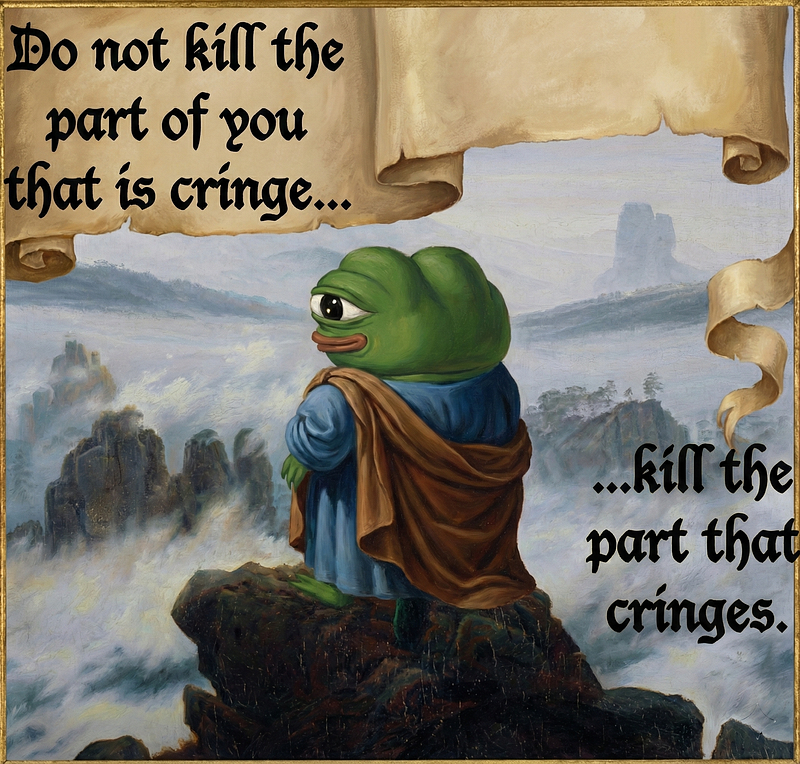
Be cringe. Be free.
The alternative of living in a shell of ironic detachment, never risking earnestness, never letting yourself love something completely? That’s a slow, numb death where you feel nothing strongly enough to be ridiculed for it, which means you feel nothing strongly at all.
Fuck that.
Furries are awesome. Bronies are awesome. K-pop stans are awesome. Trekkies, Whovians, Supernatural fans still writing fix-it fics fifteen years later, people who cry at Disney movies, folks who buy lightsabers and have full duels in public parks. All of you are awesome. You’re doing the most human thing possible. Finding meaning, building community, and loving something bigger than yourself.
To anyone else, your contempt says more about you than it does about them. Your cringe is your cage.
Break it.
SOURCES
- The Psychology of Cringe—Loren Soeiro, Ph.D. ABPP | Psychology Today
- Cringe and New Online Forms of Shame | Psychology Today
- Cringe Compilation 42: The Psychology of Cringe Culture | Outwrite News Magazine
- Cringeworthy: A Theory of Awkwardness—Melissa Dahl | Amazon
- Cringe Culture Is Stupid & Needs to Go Away | The Odyssey Online
- Cringe Culture | The Odyssey Online
- Is Cringe Culture Really Dead and Should We Care? | Her Campus
- What Is Cringe and Why Can’t We Stop Talking About It? | Psychology Today
- What’s the Deal with Furries? | Psychology Today
- More Than Just a Pretty Face: Unmasking Furry Fandom | Psychology Today
- What It’s Really Like to Be a Furry | CNN
- The Unexpectedly Fascinating Research with the Brony Fandom | The Psychology Times
- The Grown Men Who Love My Little Pony Aren’t Who You Think They Are | Washington Post
- Brony Study Reveals Unexpected Conclusions About the Fandom | The Daily Dot
- Adult My Little Pony Fans | Archive.ph
- Brony Fandom and Traditional Concepts of Masculinity | SAGE Journals
- Alternative Influence: Broadcasting the Reactionary Right on YouTube—Data & Society | PDF
- E Unibus Pluram: Television and U.S. Fiction—David Foster Wallace | PDF
- New Sincerity | Wikipedia
- Irony, Sincerity and Gen Z | Negation Magazine
- Bronies: Internet Neo-Sincerity at Its Best | Wired
- Tumblr’s DashCon | CNN
- Homestuck Sharpie Bath | Fanlore
- Shipping Discourse | Wikipedia
- The Sports Riot | NPR
- Corporate Sexual Harassment and Abuse | ARMG Publishing | PDF
- Patterns of Sexual Abuse in Religious Settings | University of Alberta
- Danger in Consumerism Within Fandom Spaces | Taylor & Francis Online
- The Pandemic of Merch | Fashion Talk Substack
Comments
To comment, please sign in with your website:
How it works: Your website needs to support IndieAuth. GitHub profiles work out of the box. You can also use IndieAuth.com to authenticate via GitLab, Codeberg, email, or PGP. Setup instructions.
Signed in as: